English
 Arabic
 French
 Spanish
 Portuguese
 Deutsch
 Turkish
 Dutch
Dutch
 Italiano
 Russian
 Romaian
 Portuguese (Brazil)
 Greek
Greek
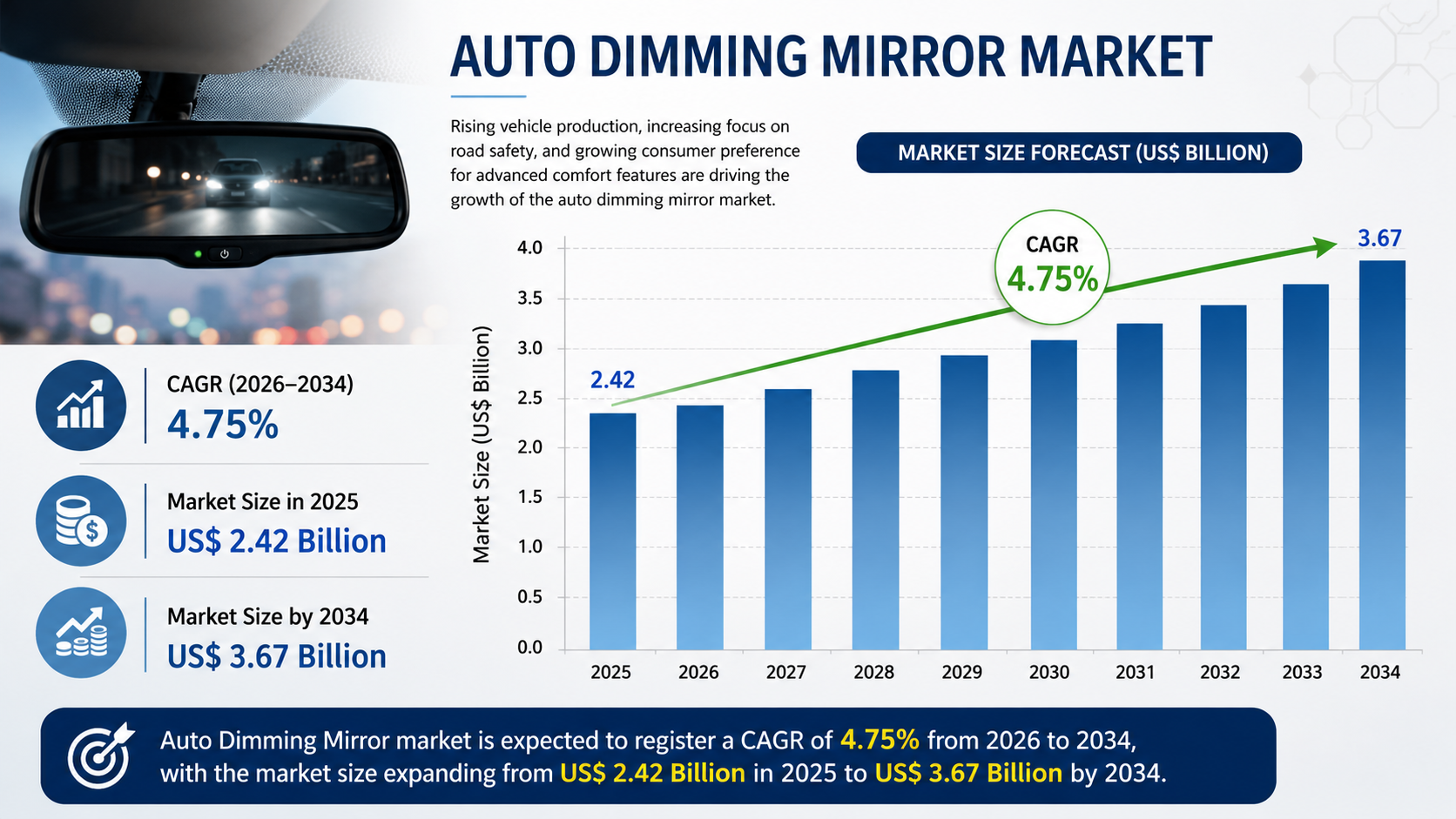
Auto Dimming Mirror Market CAGR Analysis 2026–2034 Highlighting Smart Rearview Technology Industry Outlook
Other |
2026-05-12 08:24:25
One CEO shared something with me that completely changed the way I think about enterprise technology.
He didn't complain about competition.
He didn't mention rising costs.
He didn't even talk about software.
Instead, he said,
"I spend too much time making decisions my business should already know how to make."
At first, I assumed he was talking about major strategic decisions.
He wasn't.
He was referring to things like:
"Has this request already been approved?"
"Which team owns this customer?"
"Why are there three versions of the same report?"
"Who changed this process?"
None of these questions should have reached the CEO's desk.
Yet they did.
Not because people weren't capable.
Because the business depended on constant human intervention to keep moving.
Many organizations believe success comes from making better decisions.
In reality, successful enterprises often make fewer routine decisions because the business already knows how work should flow.
Employees don't waste time searching for information.
Managers don't approve the same request repeatedly.
Departments don't debate which report is correct.
Instead, they focus on decisions that genuinely require experience, creativity, and leadership.
That's what operational maturity looks like.
Discover how Airtool's Enterprise Platform helps organizations simplify decisions, connect operations, and create one foundation for long-term business growth and innovation.
Decision fatigue isn't only a personal problem.
It's an organizational problem.
Every unnecessary approval delays a customer.
Every unclear responsibility creates another meeting.
Every disconnected application forces someone to verify information that should already be trusted.
These interruptions rarely appear in financial reports.
But they influence productivity, customer experience, and business agility every single day.
An enterprise platform isn't valuable simply because it connects applications.
Its real value is reducing the number of unnecessary decisions employees make throughout the day.
When finance, sales, operations, projects, and reporting work from one connected environment, people spend less time confirming information and more time acting on it.
Processes become predictable.
Responsibilities become clear.
The business becomes easier to operate.
Many people think enterprise software architecture is only relevant to IT teams.
The opposite is true.
Architecture influences every employee.
It determines how information moves, how departments collaborate, and how quickly the business adapts to change.
Well-designed architecture quietly removes friction from everyday work.
Poor architecture quietly adds to it.
The difference becomes obvious over time.
A modern enterprise resource planning ERP system provides the structure every enterprise needs.
It manages finance, inventory, procurement, manufacturing, and core business operations.
But today's organizations require more than structured transactions.
They need connected decision-making.
Real-time visibility.
Continuous adaptability.
An ERP remains essential, but it delivers greater value when it operates within a broader enterprise platform designed for collaboration and innovation.
Business requirements change constantly.
New markets emerge.
Teams expand.
Customer expectations evolve.
Organizations need technology capable of evolving without creating additional complexity.
That's where platform as a service becomes important.
Instead of replacing existing systems, enterprises can extend applications, automate new processes, and support changing business models while preserving one consistent operational foundation.
Adaptability becomes part of everyday business rather than an occasional transformation project.
Airtool approaches enterprise technology differently.
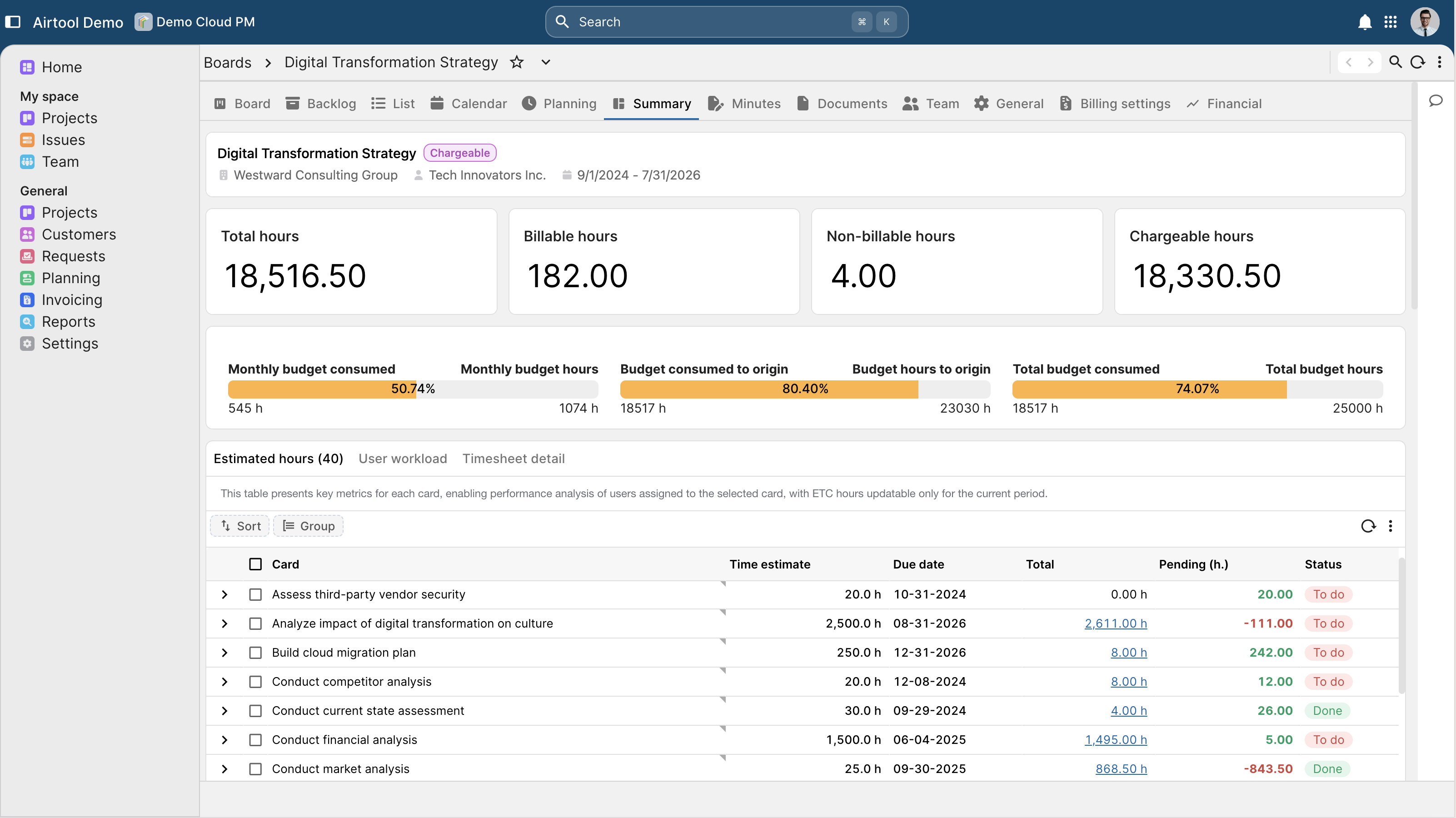
Instead of giving organizations another disconnected application, it provides an enterprise platform where finance, sales, people, projects, AI, reporting, and operational processes work together from the same business context.
Built on modern enterprise software architecture, strengthened by the operational capabilities of an enterprise resource planning ERP system, and supported by the flexibility of platform as a service, Airtool helps organizations eliminate unnecessary complexity while making everyday work easier.
Technology becomes less about managing software and more about enabling better business decisions.
The strongest enterprises aren't the ones making the most decisions.
They're the ones that have designed their business so well that unnecessary decisions disappear.
That creates something every organization wants but few achieve.
Clarity.
Because when people stop spending their day asking what should happen next, they finally have time to focus on what actually moves the business forward.
Read More: The Spreadsheet That Refused to Die