English
 Arabic
 French
 Spanish
 Portuguese
 Deutsch
 Turkish
 Dutch
Dutch
 Italiano
 Russian
 Romaian
 Portuguese (Brazil)
 Greek
Greek
Contrast Therapy Benefits: The Ultimate Guide to Hot and Cold Recovery
Wellness |
2026-05-30 15:22:42
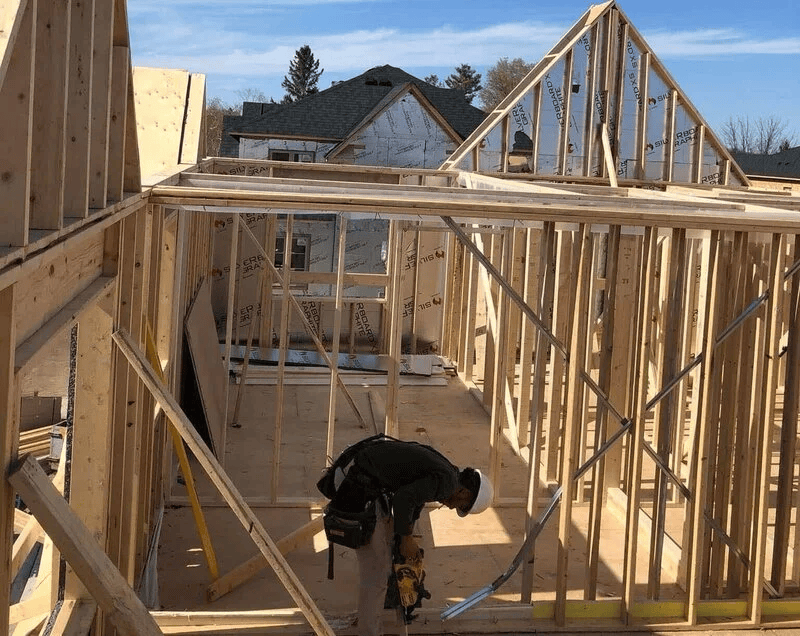
Have you ever driven past a house and thought, "Wow, that place looks stunning!"? Often, the secret lies in the exterior wall cladding. In Canada, where weather can be unpredictable, it's not just about looks. Exterior wall cladding plays a crucial role in protecting your home from the elements while also adding to its durability.
Cladding can transform a plain structure into something remarkable. It provides a shield against rain, snow, and even harsh sunlight. But these benefits aren't just skin deep. Let's explore how cladding can enhance your home's beauty, protection, and durability. We'll dive into various cladding options, real-world examples, and some insider tips to make the best choice for your home.
Exterior wall cladding refers to the layer of material applied to the outside walls of a building. It's like giving your home a protective jacket. Common materials include wood, vinyl, brick, stone, and metal. Each has its pros and cons, but they all serve the same primary purpose: shielding your home from the elements.
Take vinyl cladding, for example. It's lightweight, easy to install, and comes in various colours. In Canada, where winters can be harsh, many homeowners opt for materials that handle cold and moisture well. But there's more to it than just protection. Cladding can also boost the visual appeal of your home, giving it a fresh, updated look.
Pro Tip: When choosing cladding, consider your local climate. Some materials work better in wet conditions, while others are better for dry, sunny areas.
You might wonder, "What are my options?" Well, the choice is vast. Let's break down the most popular types of exterior wall cladding. Wood cladding offers a natural look, but it requires regular maintenance to prevent rot. Vinyl cladding is cost-effective and low maintenance, making it a popular choice in Canadian homes.
Brick cladding provides a classic look and excellent durability. It's a bit pricier, but it can last for decades with minimal upkeep. Then there's metal cladding, like aluminum or steel. It's robust and modern, perfect for contemporary designs. Each type has unique benefits and drawbacks, so consider what matters most to you.
Pro Tip: Mix and match different materials for a unique aesthetic. Pairing brick with wood can create a stunning visual contrast.
So, why should you invest in exterior wall cladding? First off, it's a defense mechanism for your home. It protects against weather damage, which is a big deal in Canada. Cladding also adds an extra layer of insulation, helping to keep your home warm in winter and cool in summer.
Moreover, cladding can significantly impact your home's curb appeal. A well-clad home looks polished and can even increase property value. Think of cladding as an investment that pays off in both protection and aesthetic appeal. Whether you're renovating or building new, it's worth considering.
Pro Tip: Regularly inspect your cladding for any damage or wear. Early repairs can prevent more significant issues down the line.
Choosing the right cladding can feel daunting. But here's the kicker: it's all about what suits your home and lifestyle. Consider factors like budget, climate, and aesthetic preferences. If you love the rustic look, wood might be your go-to. But if you're after something low maintenance, vinyl could be the winner.
In Canada, where weather extremes are common, durability should be a top priority. Research the longevity and maintenance needs of each material. And don't forget to look at the energy efficiency of your choices. Some claddings offer better insulation, which can save you money on heating bills.
Pro Tip: Consult with a local expert who understands the climate impacts on different materials. Their insights can be invaluable.
Installing exterior wall cladding isn't just slap-and-go. It's a detailed process that requires precision. Typically, professionals start by preparing the walls, ensuring they're clean and even. Then, they apply a weather-resistant barrier. This step is crucial in protecting the underlayers.
Once that's done, the actual cladding goes up. The method varies based on the material. For instance, vinyl panels snap into place, while bricks require mortar. It's not a DIY job unless you have experience. Hiring professionals ensures the job is done right, which can save you headaches later.
Pro Tip: Always ask for references when hiring a contractor. A proven track record is a good indicator they'll deliver quality work.
Once your cladding is up, maintenance is key to longevity. But don't worry, it's not a full-time job. For most materials, a simple annual wash will suffice. Check for any cracks or damage, especially after harsh weather. Early detection is your best defense against costly repairs.
Wood cladding needs a bit more love. Regular sealing or painting can protect it from rot and pests. On the other hand, vinyl and metal are more forgiving. They resist most weather damage and require less frequent attention. Each type has its maintenance quirks, but with a little care, your cladding will last for years.
Pro Tip: Schedule an annual maintenance check-up. It can prevent small issues from becoming big problems.
Now, let's talk numbers. The cost of exterior wall cladding canada can vary widely. Materials like vinyl and metal tend to be more affordable, while options like brick or stone can be pricey. But remember, you're paying for durability and aesthetics. In Canada, where the climate can be tough, investing in quality cladding can save you money in the long run.
Factor in installation costs, too. Professional installation is recommended, and prices can vary depending on the complexity of the job. It's important to get quotes from multiple contractors to ensure you're getting a fair deal. While the upfront cost might seem steep, think of it as an investment in your home's future.
Pro Tip: Consider the total cost of ownership. Sometimes spending a bit more upfront can lead to savings in maintenance.
Concerned about the environment? You're not alone. Many homeowners are considering the ecological footprint of their building choices. Some cladding materials are more eco-friendly than others. Wood, if sourced sustainably, is a great choice. It’s renewable and biodegradable.
On the flip side, vinyl is less eco-friendly due to its PVC content, but it's recyclable. Metal cladding often uses recycled materials, making it a greener option. Always check the environmental certifications of the products you choose. It's a small step that can make a big difference.
Pro Tip: Look for cladding with certifications like FSC for wood or ENERGY STAR for energy efficiency.
Trends come and go, but some have staying power. In recent years, textured finishes have gained popularity. They add depth and interest to flat surfaces. Mixed materials are also a hit, giving homes a unique, custom look. Think stone paired with wood or metal accents for a modern touch.
Sustainable materials are another growing trend. Homeowners are increasingly opting for eco-friendly options. There's also a shift towards bold colours and patterns, moving away from traditional neutrals. Keeping up with these trends can give your home a contemporary feel that stands out in the neighbourhood.
Pro Tip: Don't be afraid to experiment with trends. Start with a small area to test out bold ideas before committing to a full application.
Brick and stone are among the most durable cladding materials. They can withstand harsh weather and last for decades.
While it's possible, professional installation is recommended for the best results. They ensure proper sealing and alignment.
A yearly inspection and cleaning are usually sufficient. However, wood may need more frequent maintenance.
Yes, certain cladding materials provide additional insulation, which can improve your home's energy efficiency.
Costs vary widely based on material and labour. Expect to pay anywhere from $10 to $30 per square foot on average.
Considering cladding for your home? It's a worthwhile choice. Whether you're aiming for beauty, protection, or both, cladding delivers. Share your experiences and thoughts with us. We'd love to hear how cladding has transformed your home!