English
 Arabic
 French
 Spanish
 Portuguese
 Deutsch
 Turkish
 Dutch
Dutch
 Italiano
 Russian
 Romaian
 Portuguese (Brazil)
 Greek
Greek
Armored Vehicle Market Trends Report: Size, Segments, Growth & Forecast Overview
Other |
2026-06-02 11:41:43
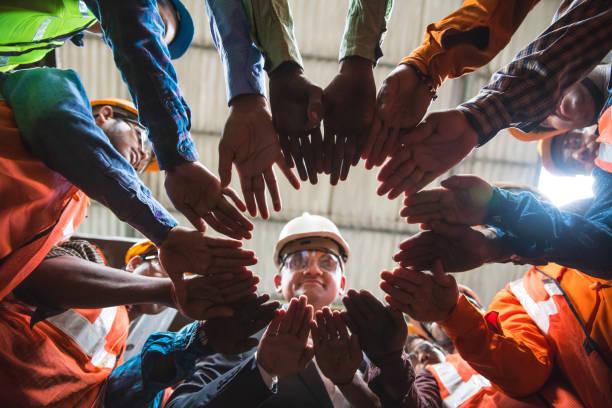
Workplace safety is no longer limited to protective equipment, warning signs, or incident response. It is becoming a structured part of organizational risk management, especially as companies face stricter regulations, rising workforce expectations, digital transformation, and operational complexity. Across manufacturing, construction, energy, healthcare, logistics, mining, and commercial facilities, safety systems are now being used to prevent incidents, monitor risks, and improve compliance.
According to MarkNtel Advisors, the Global Workplace Safety Market size was valued at around USD 14.9 billion in 2023 and is estimated to grow at a CAGR of around 15.1% during 2025–2030. This workplace risk management outlook is being shaped by stringent industrial health and safety rules, increasing workplace injuries and fatalities, and the growing use of digital safety solutions.
Organizations are increasingly moving from reactive safety practices to preventive and predictive systems. Instead of waiting for incidents to occur, companies are using connected sensors, safety management software, wearable devices, real-time alerts, and analytics platforms to detect hazards early. These tools help monitor unsafe conditions, track worker exposure, improve emergency response, and strengthen compliance documentation.
This shift is particularly important in high-risk work environments where a single incident can affect worker health, production continuity, legal exposure, and business reputation. Digital safety systems also support better training, inspection scheduling, incident reporting, and corrective action tracking.
The human and economic cost of unsafe work remains high. The International Labour Organization estimates that nearly 3 million people die each year due to work-related accidents and diseases, while 395 million workers sustain non-fatal work injuries. These figures show why safety management is a global priority rather than only a regulatory requirement.
The risks vary across industries. Construction and mining face hazards linked to falls, heavy machinery, confined spaces, and unstable environments. Manufacturing facilities deal with machine safety, chemical exposure, fire risks, and ergonomic injuries. Healthcare and logistics workers face risks linked to infection, lifting injuries, fatigue, and high-pressure work conditions.
Workplace safety rules are becoming more detailed across many countries. The Occupational Safety and Health Administration states that employers are responsible for providing a workplace free from serious recognized hazards and complying with applicable safety standards. This reinforces the need for structured systems that can identify risks, record inspections, and maintain evidence of compliance.
For employers, compliance is not only about avoiding penalties. It also supports workforce trust, operational continuity, and lower incident-related costs. Well-designed safety programs can reduce downtime, improve productivity, and help organizations manage insurance and liability risks more effectively.
Modern workplace safety also includes occupational health, mental well-being, fatigue management, and climate-related hazards. The World Health Organization has highlighted that work-related diseases and injuries remain a major cause of death globally, emphasizing the need for healthier work environments.
Climate change is adding another layer of concern. Heat stress, poor air quality, and extreme weather can increase risks for outdoor workers, warehouse staff, transport workers, and industrial teams. This is pushing organizations to update safety policies, improve monitoring, and adopt more adaptive risk controls.
The future of workplace safety will likely be defined by integration. Companies are expected to combine safety software, connected devices, artificial intelligence, training platforms, and compliance systems into unified risk management frameworks. The ILO’s occupational safety and health resources also highlight the importance of strong safety systems, reliable data, and institutional support.
As industries become more automated and complex, workplace safety will remain a practical investment in people, resilience, and responsible operations. Organizations that treat safety as a continuous management function are better positioned to reduce incidents, protect workers, and maintain operational stability.