English
 Arabic
 French
 Spanish
 Portuguese
 Deutsch
 Turkish
 Dutch
Dutch
 Italiano
 Russian
 Romaian
 Portuguese (Brazil)
 Greek
Greek
Where to Enjoy Fresh Seafood in Stratford-upon-Avon
Food |
2026-06-17 13:32:22
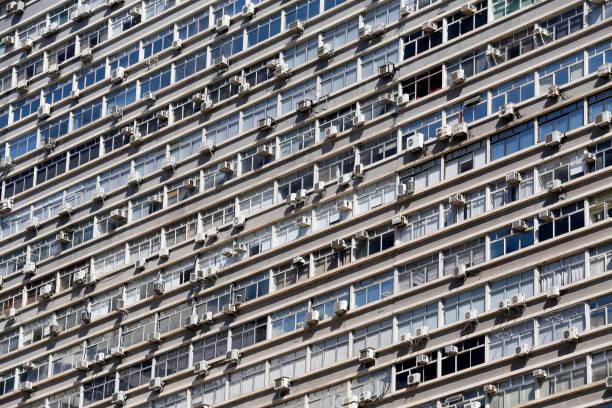
Brazil’s air conditioner sector is gaining attention as warmer weather, urban housing growth, commercial expansion, and changing lifestyle patterns increase the need for indoor cooling. Air conditioners are used across homes, offices, hotels, hospitals, retail outlets, schools, and industrial facilities. Their role is becoming more important as consumers seek comfort while utilities and regulators focus on electricity efficiency and grid resilience.
According to MarkNtel Advisors, Brazil’s air conditioner industry was valued at around USD 4.25 billion in 2025 and is projected to reach nearly USD 6.42 billion by 2032, growing at a CAGR of about 6.07% during 2026–2032. The sector’s future opportunities are linked with urbanization, rising disposable income, warmer climate conditions, and increasing adoption of split air conditioners across residential and commercial spaces.
Brazil’s tropical and subtropical climate makes air conditioning an important appliance category in many regions. Higher temperatures, dense urban living, and modern housing designs are encouraging more households to install cooling systems. Consumers are also paying closer attention to indoor comfort, better sleep conditions, humidity control, and air quality.
The International Energy Agency notes that air conditioners and electric fans already account for a major share of electricity use in buildings worldwide. This makes efficient cooling especially important for countries such as Brazil, where rising appliance adoption can influence household electricity bills and peak power demand.
Split air conditioners are becoming increasingly preferred because they offer quieter operation, flexible installation, and improved energy performance compared with many older systems. Their design is suitable for apartments, small offices, retail units, and individual rooms where consumers want targeted cooling rather than full-building systems.
Inverter-based models are also influencing purchasing decisions. These systems adjust compressor speed based on cooling requirements, helping reduce unnecessary electricity consumption. As consumers become more cost-conscious, energy labels, cooling capacity, durability, and maintenance requirements are becoming important considerations before purchase.
Energy efficiency is becoming a central factor in Brazil’s cooling appliance landscape. As air conditioner use increases, inefficient systems can put pressure on electricity networks and raise operating costs for households and businesses. This makes product testing, labeling, and minimum performance requirements important for long-term sustainability.
Brazil’s National Institute of Metrology, Quality and Technology supports product conformity, quality, and efficiency-related frameworks. Such systems help consumers compare products more easily while encouraging manufacturers to improve cooling performance and energy use.
Air conditioning demand has a direct impact on electricity planning because hot periods can increase simultaneous appliance use across cities. This can raise peak-load pressure and require better forecasting, efficient equipment, smart meters, and stronger distribution infrastructure.
Brazil’s Energy Research Office has highlighted the importance of efficient cooling in buildings, including the impact of residential air conditioning on electricity demand. This shows why cooling efficiency is not only a consumer issue but also a planning priority for the power sector.
Commercial buildings continue to support demand for air conditioners. Hotels, restaurants, malls, hospitals, offices, airports, and educational facilities need reliable cooling to maintain comfort, protect equipment, and support service quality. In these environments, decisions often depend on lifecycle cost, energy consumption, maintenance support, and system reliability.
The Brazilian Ministry of Mines and Energy remains central to national energy planning and efficiency priorities. Its broader focus on energy performance is relevant for building systems that consume large amounts of electricity, including cooling equipment.
Brazil’s air conditioner sector is being shaped by climate conditions, urban development, commercial expansion, and stronger efficiency expectations. Affordability, electricity costs, maintenance access, and grid pressure remain important challenges, but the long-term direction favors better-performing cooling systems.
As consumers and businesses look for more efficient indoor comfort solutions, adoption is expected to move toward inverter technology, smarter controls, improved labeling, and lower-energy designs. The next phase of growth will depend on how effectively Brazil balances wider cooling access with energy efficiency and electricity system resilience.