English
 Arabic
 French
 Spanish
 Portuguese
 Deutsch
 Turkish
 Dutch
Dutch
 Italiano
 Russian
 Romaian
 Portuguese (Brazil)
 Greek
Greek
https://www.facebook.com/EasyCanvasPrintsOfficial/
Other |
2026-05-04 07:02:13
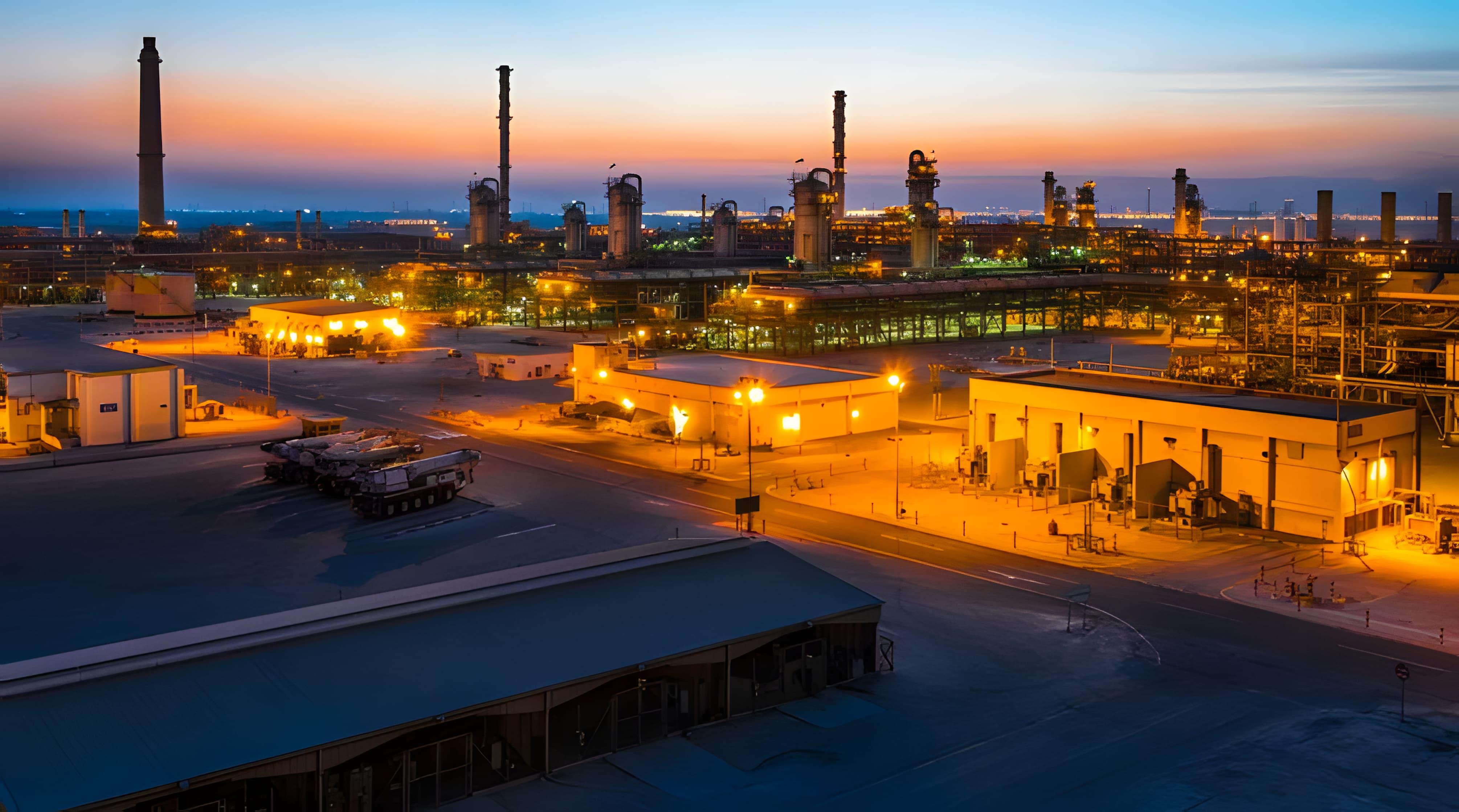
Saudi Arabia’s industrial gases sector is becoming increasingly important as the Kingdom expands its energy, petrochemical, healthcare, food processing, and manufacturing activities. Gases such as oxygen, nitrogen, hydrogen, carbon dioxide, argon, and helium support refining, metal fabrication, medical care, food preservation, welding, cutting, cooling, and chemical processing. Their usage reflects the wider shift toward diversified industrial operations and advanced production systems.
As per MarkNtel Advisors, Saudi Arabia’s industrial gases industry was valued at around USD 1.64 billion in 2025 and is projected to reach nearly USD 2.8 billion by 2032, expanding at a CAGR of about 5.48% during 2026–2032. This study indicates that demand is being influenced by oil & gas operations, petrochemical facilities, healthcare requirements, food processing, and rising use of specialized gases across industrial processes.
Saudi Arabia’s industrial development is strongly connected with Saudi Vision 2030, which emphasizes local production, specialized industrial zones, supply-chain resilience, and high-value manufacturing. These priorities are increasing the use of industrial gases in applications such as inerting, purging, combustion support, freezing, packaging, and process safety.
Nitrogen continues to hold strong relevance because of its wide use in tank blanketing, pipeline purging, food packaging, and oxidation prevention. Oxygen is essential in steelmaking, healthcare, wastewater treatment, and combustion enhancement. Hydrogen supports refining and ammonia production, while carbon dioxide is used in cooling, beverage carbonation, and controlled-atmosphere packaging.
Saudi Arabia’s strong refining and petrochemical base continues to create steady demand for industrial gases. Refinery operations require hydrogen for desulfurization and hydrogenation, nitrogen for safety-related inerting, and oxygen for combustion and oxidation processes. These applications depend on stable supply, high purity, and reliable infrastructure.
Large industrial clusters also require pipeline-based or on-site gas supply systems. Such models help reduce logistics complexity and improve continuity for facilities that operate around the clock. As downstream activities expand, industrial gases are increasingly seen as process-critical inputs rather than secondary support materials.
Hydrogen is gaining attention as Saudi Arabia strengthens its clean energy and low-carbon industrial plans. The ACWA Power NEOM Green Hydrogen Project is expected to produce 600 tonnes per day of clean hydrogen once commissioned, along with nitrogen through air separation and green ammonia output. This highlights the growing link between industrial gases, renewable energy, and export-focused clean fuel development.
Carbon capture initiatives are also shaping future gas handling infrastructure. Aramco, Linde, and SLB signed an agreement for a major carbon capture and storage hub in Jubail, with phase one planned to capture nine million tonnes of CO₂ annually from industrial sources.
Medical gases remain essential for hospitals, emergency care, respiratory treatment, and clinical procedures. The World Health Organization identifies oxygen as an essential medicine, making reliable production and distribution important for healthcare resilience.
Food processing is another important application area. Industrial gases are used in freezing, chilling, carbonation, and modified-atmosphere packaging to maintain product quality and improve shelf life. As Saudi Arabia focuses on domestic food security and cold-chain development, demand from packaged foods and beverages is expected to remain relevant.
Automation, sensors, remote monitoring, and process-control platforms are improving gas production and distribution. These systems help detect leaks, optimize energy use, and improve operational safety. The Ministry of Industry and Mineral Resources continues to support industrial investment and localization, which may further strengthen demand for reliable gas infrastructure.
Overall, Saudi Arabia’s industrial gases sector is supported by petrochemical activity, healthcare needs, food processing, hydrogen development, and industrial modernization. While high infrastructure costs and specialized logistics remain challenges, the industry’s outlook remains closely linked with the Kingdom’s broader industrial transformation.