English
 Arabic
 French
 Spanish
 Portuguese
 Deutsch
 Turkish
 Dutch
Dutch
 Italiano
 Russian
 Romaian
 Portuguese (Brazil)
 Greek
Greek
How to Choose the Best Nasha Mukti Kendra in Delhi for Lasting Recovery
Health |
2026-07-02 06:15:02
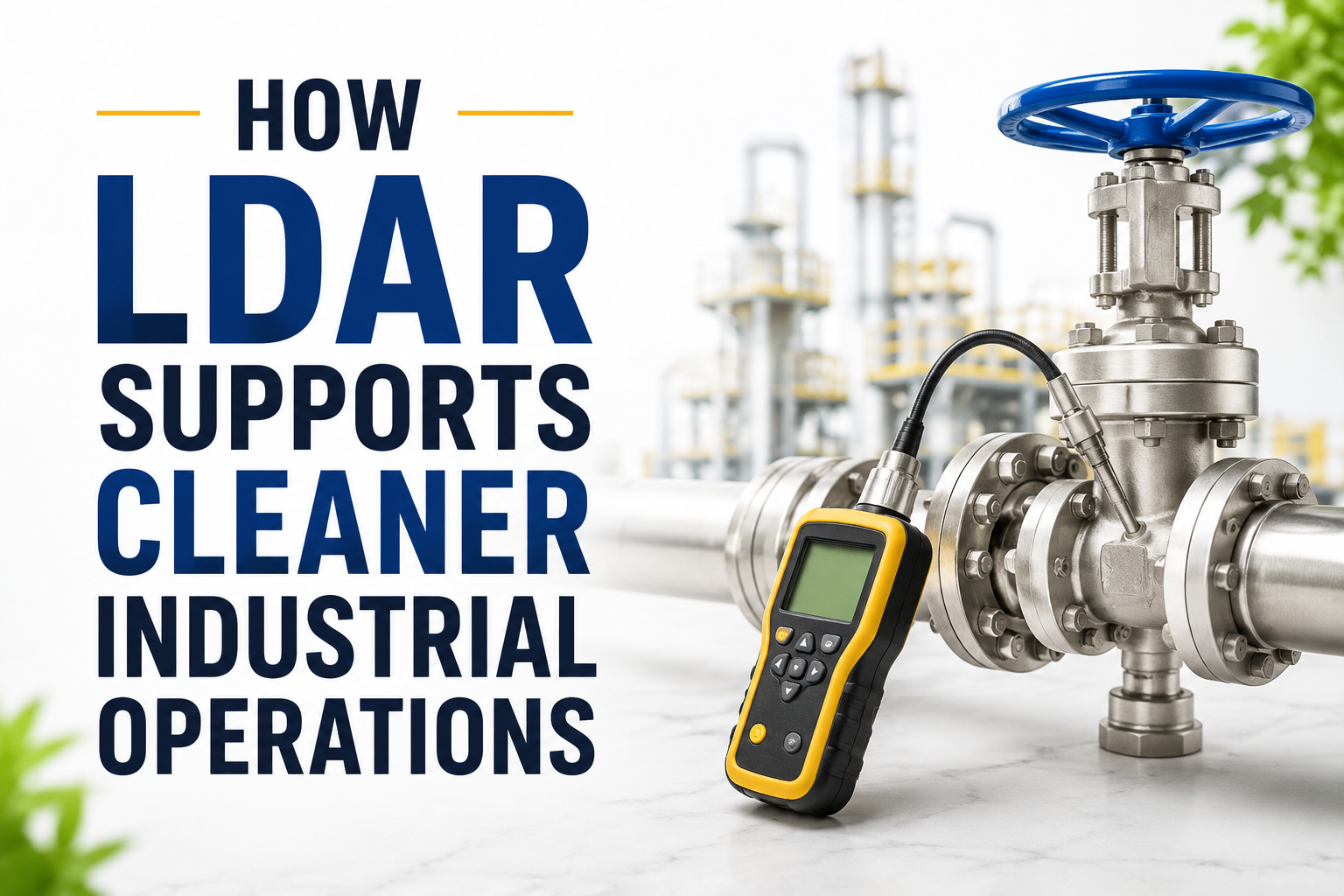
Leak detection and repair, often called LDAR, is becoming more important as industries focus on safety, emissions control, asset reliability, and regulatory compliance. LDAR programs are used to identify, measure, and repair leaks from equipment such as valves, pumps, compressors, flanges, connectors, tanks, pipelines, and process units. These systems are especially relevant in oil and gas, chemicals, utilities, refining, and industrial facilities.
A recent global leak detection and repair study by MarkNtel Advisors highlights demand from hardware solutions, gas leak monitoring, North America, and regulatory compliance across industrial sectors. The report values the sector at USD 22.45 billion in 2025 and projects it to grow from USD 23.31 billion in 2026 to USD 30.13 billion by 2032, reflecting a CAGR of around 4.37% during 2026–2032.
Methane monitoring is one of the strongest reasons organizations invest in LDAR systems. Methane can escape from production sites, pipelines, storage systems, and processing equipment through small leaks that may be difficult to see without specialized tools. Regular detection and repair help operators reduce emissions, improve safety, and avoid product losses.
The International Energy Agency’s Global Methane Tracker 2025 findings state that leak detection and repair requirements are among the tried-and-tested policies that can reduce methane emissions. This supports why LDAR programs are becoming a practical part of industrial emissions management.
Hardware is identified as a leading product type in the shared study. This includes gas detectors, optical gas imaging cameras, sensors, acoustic detectors, flow meters, infrared devices, portable analyzers, and fixed monitoring systems. These tools help operators find leaks that may not be visible through routine inspection.
Hardware quality matters because leak detection depends on sensitivity, accuracy, operating conditions, calibration, and suitability for the facility. A refinery, gas pipeline, chemical plant, or water utility may require different equipment depending on gas type, pressure, temperature, location, and safety requirements.
Gas leaks represent a major focus area because they can create environmental, safety, and operational risks. In oil and gas facilities, leaks may involve methane, volatile organic compounds, or other gases. In industrial plants, leaks can also affect worker safety, process reliability, and compliance reporting.
LDAR programs help facilities move from reactive repair toward planned monitoring. Instead of waiting for visible equipment failure, operators can detect smaller leaks earlier and schedule repairs before problems become more serious. This improves reliability and can reduce unplanned shutdowns.
North America holds a leading position in the report, supported by oil and gas infrastructure, regulatory enforcement, industrial monitoring, and technology adoption. The U.S. and Canada have large upstream, midstream, refining, petrochemical, and utility networks where leak detection is essential for both compliance and operational efficiency.
The U.S. Environmental Protection Agency’s oil and natural gas rule information describes options for advanced methane detection technologies, including satellite monitoring, aerial surveys, and continuous monitors. This shows how detection methods are becoming more advanced and flexible.
Traditional LDAR programs often rely on scheduled inspections, but continuous monitoring is gaining attention. Fixed sensors, connected detectors, drones, satellites, and digital platforms can help identify leaks faster and support real-time alerts. This is useful for large facilities, remote sites, and high-risk equipment zones.
Continuous monitoring can improve response time, but it also creates new needs. Operators must manage data quality, false alarms, maintenance, sensor placement, cybersecurity, and integration with repair workflows. Technology alone is not enough unless teams can act quickly on verified leak information.
LDAR is strongly linked with compliance because many regulations require operators to monitor, report, and repair leaks within defined timelines. These rules may specify inspection frequency, detection methods, repair deadlines, documentation, and verification requirements. This creates ongoing demand for equipment, software, services, and trained inspection teams.
The European Commission’s methane emissions policy emphasizes measurement, reporting, verification, and strong rules for finding and repairing leaks within the EU energy sector. This regulatory direction reinforces the importance of systematic LDAR programs.
LDAR services are important because many facilities need specialized technicians, testing procedures, reporting support, and repair verification. Service providers may conduct inspections, maintain equipment databases, identify leaking components, prioritize repairs, and prepare compliance records for regulators or internal audits.
Service quality depends on training, measurement discipline, documentation, and understanding of facility operations. Poorly managed inspections can miss leaks or create unreliable records. Strong service execution helps companies convert detection activity into measurable emissions reduction and operational improvement.
Leak detection and repair demand is being shaped by gas leak monitoring, hardware adoption, North America’s leading role, methane rules, continuous monitoring, and industrial compliance requirements. The report figures indicate steady growth through 2032 as regulated industries strengthen inspection and repair systems.
The long-term direction will depend on emissions regulation, oil and gas investment, industrial safety priorities, sensor innovation, reporting standards, and repair efficiency. As industries face stronger expectations around environmental performance and operational reliability, LDAR will remain important for cleaner, safer, and better-monitored industrial operations.