English
 Arabic
 French
 Spanish
 Portuguese
 Deutsch
 Turkish
 Dutch
Dutch
 Italiano
 Russian
 Romaian
 Portuguese (Brazil)
 Greek
Greek
The Juvederm Volbella Lips Miracle! Erase Lip Lines and Wrinkles Forever
Health |
2026-05-25 10:53:43
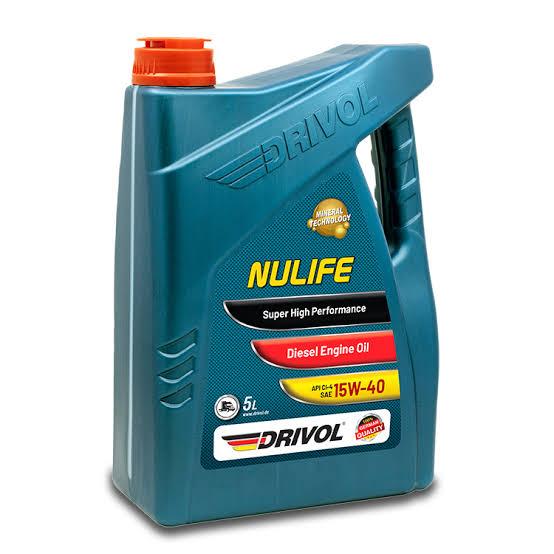
Selecting the right diesel engine oil is one of the most important decisions for maintaining the health and efficiency of commercial vehicles, trucks, construction equipment, and agricultural machinery. Heavy-duty diesel engines operate under high temperatures, extreme loads, long working hours, and challenging environmental conditions. Without proper lubrication, engine components experience excessive friction, sludge formation, oxidation, corrosion, and premature wear.
Modern diesel engines are engineered with tighter tolerances and advanced emission systems, making lubricant quality even more critical than before. Whether you own a logistics fleet, operate mining equipment, manage tractors, or maintain commercial trucks, choosing the correct oil viscosity and performance specification directly affects engine life, fuel economy, maintenance intervals, and operating costs.
Premium lubricants such as 15W-40 Diesel engine oil, 20W-50, and advanced truck engine oil formulations are specifically designed to protect engines under demanding operating conditions. Understanding the differences between these oils helps users make informed maintenance decisions while improving equipment reliability.
Diesel engine oil is a specially formulated lubricant developed to protect diesel-powered engines against wear, corrosion, oxidation, soot buildup, and high-temperature deposits. Unlike petrol engine oils, diesel lubricants contain higher detergent and dispersant additives that manage contaminants produced during diesel combustion.
A quality diesel lubricant creates a protective oil film between moving metal surfaces, minimizing friction while keeping the engine clean and maintaining stable viscosity across different operating temperatures.
Popular viscosity grades include:
15W-40 Diesel engine oil
20W-50
10W-30
5W-40 Synthetic Oils
Each grade is designed for specific operating temperatures and engine requirements.
Using the correct diesel engine oil provides several operational advantages:
Protects engine components against wear
Controls soot accumulation
Prevents sludge formation
Maintains engine cleanliness
Supports efficient heat transfer
Reduces friction losses
Improves fuel efficiency
Extends oil drain intervals
Protects turbochargers
Enhances engine reliability
For commercial fleets where downtime directly impacts profitability, selecting the right lubricant significantly lowers maintenance expenses over the engine's lifecycle.
Modern heavy-duty engines operate continuously under severe stress. Premium lubricants help maintain engine efficiency through advanced additive technology.
Engine oils form a durable lubricating film that prevents metal-to-metal contact, reducing wear on pistons, bearings, crankshafts, camshafts, and valve trains.
High operating temperatures can degrade inferior oils quickly. Advanced formulations resist oxidation, helping maintain viscosity and lubrication performance.
Detergent additives suspend contaminants and soot particles, preventing deposits that reduce engine efficiency.
Turbochargers operate at extremely high rotational speeds. Quality lubricants protect bearings while preventing carbon deposits that affect turbo performance.
Reduced friction and cleaner engine internals contribute to extended engine service life.
Diesel engine oils are widely used across multiple industries:
Heavy-duty trucks transporting goods across India require reliable lubrication for long-distance performance.
Fleet operators depend on consistent lubrication to reduce maintenance downtime.
Excavators, loaders, cranes, and earthmoving equipment operate under heavy loads requiring superior engine protection.
Modern tractors, harvesters, irrigation pumps, and agricultural machinery benefit from high-performance diesel lubricants.
Mining equipment works in dusty environments with continuous heavy loads, making lubricant quality essential.
Diesel-powered generators rely on quality lubricants for continuous operation during extended power cycles.
Selecting the right lubricant depends on several technical factors.
Always follow the recommended viscosity grade and API specification provided by the equipment manufacturer.
Climate significantly influences viscosity selection.
15W-40 Diesel engine oil performs exceptionally well across varying Indian climatic conditions.
20W-50 is commonly preferred for older engines or high-temperature operations requiring thicker oil films.
Choose oils meeting the appropriate API standards for your engine technology.
For example:
API CK-4
API CI-4 Plus
High-performance options include:
Drivol Prima Plus SAE 15W-40 API CK-4
4. Engine Age
Older engines may benefit from higher viscosity oils such as 20W-50 due to increased internal clearances.
Vehicles carrying heavy loads or operating continuously require premium lubricant technology.
Many operators unknowingly reduce engine life through poor lubrication practices.
Avoid:
Mixing different lubricant grades
Ignoring oil change intervals
Using incorrect viscosity
Choosing oil based only on price
Using oils not meeting manufacturer specifications
Skipping oil filter replacement
Ignoring oil contamination signs
Overfilling or underfilling the engine
Proper maintenance significantly reduces long-term repair costs.
Following good lubrication practices helps maximize equipment reliability.
Inspect engine oil before long trips or heavy-duty operations.
Fresh oil should always be accompanied by a quality oil filter.
Excessively contaminated oil may indicate engine issues requiring inspection.
Long idle periods accelerate soot accumulation.
Keep containers sealed in clean, dry environments away from direct sunlight.
Never exceed recommended oil drain intervals without professional oil analysis.
Changing operating conditions may require different viscosity grades.
Always source products through trusted suppliers to ensure quality and authenticity.
Choosing the right lubricant is not only about viscosity—it is about consistent protection under real-world operating conditions.
Drivol develops lubrication solutions designed for demanding automotive and commercial applications across India. Its diesel engine oils are engineered using advanced base oils and additive technologies that help improve engine cleanliness, wear protection, oxidation resistance, and overall reliability.
Whether operating long-haul trucks, heavy construction equipment, or agricultural machinery, Drivol products are formulated to deliver dependable performance under varying temperatures and workloads.
With a broad portfolio covering automotive, industrial, marine, agricultural, and commercial lubrication needs, Drivol supports reliable equipment performance across diverse operating environments.
|
Feature |
15W-40 Diesel Engine Oil |
20W-50 Engine Oil |
|
Cold Start Performance |
Excellent |
Moderate |
|
High Temperature Protection |
Excellent |
Excellent |
|
Suitable Engine Type |
Modern Diesel Engines |
Older & High Mileage Engines |
|
Fuel Economy |
Better |
Moderate |
|
Turbocharger Protection |
Excellent |
Good |
|
Heavy Load Performance |
Excellent |
Excellent |
|
Recommended For |
Trucks, Fleets, Construction |
Older Commercial Vehicles |
|
Typical Applications |
Long Haul Transport |
High Temperature Operations |
Choosing the correct diesel engine oil is essential for maintaining engine durability, reducing maintenance costs, and achieving reliable performance across commercial vehicles and heavy-duty machinery. Whether you require 15W-40 Diesel engine oil for modern fleet operations or 20W-50 for older, high-mileage engines, selecting the appropriate viscosity and performance specification ensures maximum protection under demanding conditions.
Investing in quality truck engine oil helps minimize wear, improve engine cleanliness, support fuel efficiency, and extend service life—making lubrication one of the smartest maintenance decisions for any diesel-powered equipment.
Heavy-duty diesel engines deserve lubrication that can withstand demanding workloads, high temperatures, and long operating hours. Selecting the right diesel engine oil ensures better protection, smoother operation, and lower maintenance costs over the long term.
Choose the right lubricant today to keep your engines performing efficiently, reliably, and productively for years to come.
Diesel engine oil lubricates engine components, reduces friction, controls soot, protects against corrosion, and helps maintain engine efficiency under heavy-duty operating conditions.
15W-40 offers an excellent balance between cold-start performance and high-temperature protection, making it suitable for a wide range of commercial diesel engines.
20W-50 is generally preferred for older engines, high-mileage vehicles, or equipment operating continuously in hot environments.
Oil change intervals depend on operating conditions, manufacturer recommendations, engine type, and lubricant quality. Always follow the maintenance schedule specified by the equipment manufacturer.
Mixing different viscosity grades or performance specifications is generally not recommended unless specifically approved by the manufacturer.
Incorrect viscosity may reduce lubrication efficiency, increase wear, affect fuel economy, and shorten engine life.
High-quality lubricants reduce internal friction and help maintain engine cleanliness, which may contribute to improved operational efficiency.
Consider engine age, operating temperature, manufacturer specifications, API performance rating, vehicle application, and maintenance requirements before selecting an engine oil.