English
 Arabic
 French
 Spanish
 Portuguese
 Deutsch
 Turkish
 Dutch
Dutch
 Italiano
 Russian
 Romaian
 Portuguese (Brazil)
 Greek
Greek
One way Taxi Mathura | One way Cab Mathura
Other |
2026-07-11 15:29:07
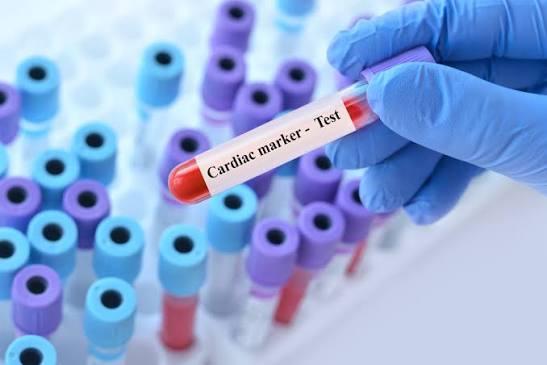
Cardiovascular care increasingly depends on the ability to identify heart injury quickly and accurately. Cardiac biomarkers are measurable biological substances released into the bloodstream when the heart experiences stress, inflammation, or tissue damage. By assessing these signals, healthcare professionals can support the diagnosis of acute cardiac conditions, evaluate disease severity, and make more informed clinical decisions during time-sensitive situations.
Advances in laboratory medicine are improving the sensitivity and speed of cardiac testing. High-sensitivity assays, automated analyzers, and point-of-care technologies are helping clinical teams detect subtle biological changes earlier than conventional approaches. The evolving cardiac diagnostic testing landscape reflects a wider healthcare focus on precision, faster clinical assessment, and diagnostic workflows that can support early intervention for patients with suspected heart-related conditions.
According to an analysis published by MarkNtel Advisors, the global cardiac biomarkers diagnostics sector is projected to expand from USD 5.86 billion in 2026 to USD 9.87 billion by 2032, recording a CAGR of 9.08% during 2026–2032. This development is associated with growing clinical emphasis on high-sensitivity testing, expanding cardiovascular diagnostic requirements, and continued innovation in biomarker-based assessment technologies.
Cardiac biomarkers provide clinicians with biochemical evidence that can complement symptoms, electrocardiograms, imaging, and physical examinations. Troponin is particularly important in the assessment of suspected myocardial injury because elevated cardiac troponin concentrations can indicate damage to heart muscle. The European Society of Cardiology describes cardiac troponins as central biomarkers in the diagnostic evaluation of acute myocardial infarction when interpreted within an appropriate clinical context.
Other biomarkers also contribute to cardiovascular assessment. B-type natriuretic peptide and NT-proBNP are commonly associated with the evaluation of heart failure, while CK-MB and myoglobin have historically supported cardiac injury assessment in selected clinical settings. Each biomarker offers different biological information, making appropriate test selection and clinical interpretation essential for reliable diagnostic decision-making.
High-sensitivity cardiac troponin assays represent an important advancement in emergency cardiovascular diagnostics. These tests can measure very low concentrations of cardiac troponin, enabling clinicians to identify myocardial injury earlier in the diagnostic process. Faster recognition can help hospitals organize patient assessment more efficiently, particularly in emergency departments where chest pain is a frequent and clinically complex presentation.
The increasing use of high-sensitivity assays is also influencing diagnostic protocols. Rather than relying on a single laboratory result, clinicians often evaluate changes in biomarker concentrations over a defined period and interpret findings alongside symptoms and other diagnostic evidence. This approach supports more structured assessment while recognizing that elevated troponin may occur in several conditions beyond an acute myocardial infarction.
Point-of-care testing is becoming increasingly relevant where rapid results can influence immediate clinical decisions. Compact diagnostic instruments can perform selected cardiac biomarker tests closer to the patient, reducing dependence on lengthy sample transportation processes. This capability can be particularly useful in emergency departments, ambulances, smaller healthcare facilities, and locations where access to centralized laboratories is limited.
However, speed alone does not determine diagnostic quality. Point-of-care systems must deliver suitable analytical performance, quality control, and consistent result interpretation. Healthcare organizations therefore need to consider assay sensitivity, staff training, workflow integration, and regulatory requirements when adopting decentralized testing. Effective implementation depends on balancing rapid testing capabilities with established clinical and laboratory governance practices.
Automated immunoassay platforms remain important in cardiac biomarker testing because high-volume laboratories require reliable processing of large numbers of samples. Automation can standardize several stages of diagnostic testing, including sample handling, assay execution, and result reporting. This supports operational consistency and may reduce manual workload in busy hospital and reference laboratory environments.
Integration with laboratory information systems is also improving the movement of diagnostic data across healthcare workflows. When test results are transferred efficiently to clinical systems, physicians can review relevant findings alongside other patient information. Digital connectivity, standardized reporting, and instrument interoperability are therefore becoming increasingly significant considerations in modern cardiovascular diagnostic infrastructure.
Biosensor-based diagnostics and microfluidic technologies are creating new possibilities for cardiac biomarker detection. Biosensors convert a biological interaction into a measurable signal, while microfluidic platforms control very small volumes of fluids through compact channels. These approaches can potentially support smaller devices, reduced sample requirements, and more integrated testing processes.
Research into multi-biomarker testing is another area of interest. Cardiovascular conditions involve complex biological processes, and a single biomarker may not always provide complete clinical information. Diagnostic platforms capable of examining several biological signals could support broader patient assessment. Nevertheless, new testing approaches require careful analytical and clinical validation before they can be incorporated into routine healthcare practice.
The need for accessible cardiovascular diagnostics remains significant because cardiovascular diseases continue to represent a major global health challenge. The World Health Organization states that cardiovascular diseases are the leading cause of death globally, with heart attacks and strokes accounting for a substantial proportion of cardiovascular deaths. This burden reinforces the importance of timely detection, appropriate risk assessment, and effective diagnostic pathways.
Diagnostic accessibility is especially important in healthcare systems facing limited specialist capacity or uneven laboratory infrastructure. Affordable assays, compact testing instruments, and efficient sample processing may help extend biomarker testing across a broader range of care settings. The practical value of these technologies will depend on affordability, trained personnel, quality assurance, and their integration into established patient management pathways.
Cardiac biomarker diagnostics are moving toward greater sensitivity, faster processing, and improved integration with digital healthcare systems. High-sensitivity troponin testing is strengthening acute cardiac assessment, while point-of-care platforms and emerging biosensor technologies are broadening the technical possibilities for decentralized diagnostics. Laboratory automation will continue to remain relevant as healthcare providers manage growing testing volumes and increasingly connected clinical workflows.
Future progress will depend on more than technological innovation. Clinical validation, regulatory oversight, assay standardization, affordability, and appropriate interpretation will remain essential. As diagnostic capabilities evolve, cardiac biomarkers are likely to retain a central role in cardiovascular assessment by providing measurable biological evidence that supports timely, evidence-based clinical decisions across diverse healthcare environments.