English
 Arabic
 French
 Spanish
 Portuguese
 Deutsch
 Turkish
 Dutch
Dutch
 Italiano
 Russian
 Romaian
 Portuguese (Brazil)
 Greek
Greek
Alim Course: A Complete Guide to Islamic Scholarship | IICOJ
Other |
2026-07-13 19:16:00
A server room houses critical business data, networking devices, and IT infrastructure that support daily operations. Even a small fire can result in significant financial losses, extended downtime, and permanent data damage. While traditional water sprinkler systems help control fires, they can also damage expensive electronic equipment. This is why many organizations invest in a gas suppression system to protect their valuable assets.
A gas suppression system for server room environments is specifically designed to detect and extinguish fires quickly without leaving residue or causing damage to sensitive electronics. These systems use clean agents that suppress the fire while helping businesses maintain operational continuity. Understanding how a gas extinguishing system works and selecting the right solution is essential for ensuring reliable fire protection.
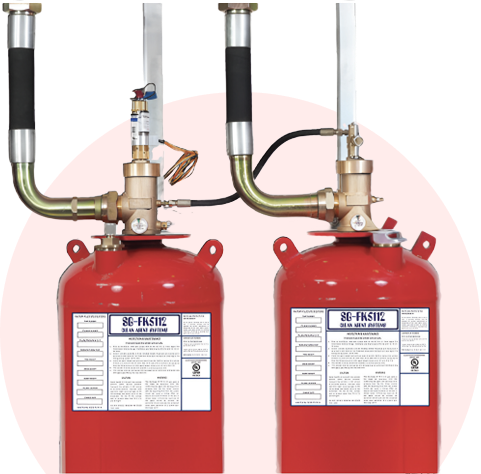
A gas suppression system is an automatic fire protection system that uses clean gaseous agents instead of water or foam to extinguish fires. When smoke or heat is detected, the system releases a fire suppression gas into the protected area. The gas suppresses the fire by interrupting the combustion process or reducing the oxygen concentration, depending on the type of agent used.
Unlike conventional fire suppression methods, a gas suppression system leaves no residue after discharge, making it the preferred choice for protecting server rooms, data centers, electrical rooms, communication facilities, and other locations containing sensitive electronic equipment.
A server room contains equipment that often operates continuously and stores valuable business information. Water damage from conventional fire protection systems can be as costly as the fire itself. Installing a gas suppression system for server room protection provides rapid fire suppression while protecting critical infrastructure from unnecessary damage.
Businesses across industries rely on a gas extinguishing system because it minimizes downtime, protects expensive equipment, and helps maintain uninterrupted operations after a fire incident.
A professionally designed gas suppression system offers several advantages for businesses that rely on critical IT infrastructure.
A gas extinguishing system begins operating as soon as smoke or heat detectors identify the early signs of a fire. The control panel verifies the signal and activates audible and visual alarms to notify occupants. After a short delay that allows personnel to evacuate safely, the extinguishing agent is released throughout the protected room.
The clean agent quickly suppresses the fire without damaging sensitive electronic equipment. Once the fire has been extinguished, the room can be inspected, ventilated if necessary, and returned to operation with minimal cleanup.
Selecting the best gas suppression system for server room protection depends on several factors, including room size, occupancy, equipment value, and environmental requirements. Popular clean agents such as FM-200, Novec 1230, and inert gas systems each provide reliable fire protection while offering different advantages based on the application.
Working with experienced fire protection professionals ensures that the gas extinguishing system is properly designed, installed, and maintained according to industry standards and local fire safety regulations.
Routine maintenance is essential to ensure that a gas suppression system operates effectively during an emergency. Regular inspections include checking gas cylinder pressure, testing smoke detectors, verifying alarm functionality, inspecting discharge nozzles, and confirming that the control panel is operating correctly. Scheduled servicing by certified technicians helps maintain system reliability and compliance with fire safety standards.
Protecting critical IT infrastructure requires more than conventional fire protection. A gas suppression system provides fast, clean, and effective fire suppression without causing damage to valuable electronic equipment. Investing in a reliable gas suppression system for server room environments helps businesses reduce risk, minimize downtime, and protect essential operations. Whether you are designing a new server room or upgrading an existing facility, choosing the right gas extinguishing system is an important step toward ensuring long-term safety and business continuity.
A gas suppression system is a fire protection solution that uses clean gaseous agents to extinguish fires without damaging sensitive electronic equipment.
A gas suppression system for server room environments protects valuable servers, networking equipment, and business data from fire while avoiding the damage caused by water-based systems.
A gas extinguishing system detects smoke or heat, activates alarms, and releases a clean extinguishing agent that quickly suppresses the fire without leaving residue.
No. Modern clean agent systems are specifically designed to protect electronic equipment and leave no residue after discharge.
Most manufacturers recommend regular inspections and annual maintenance by qualified fire protection professionals to ensure the system remains fully operational.