English
 Arabic
 French
 Spanish
 Portuguese
 Deutsch
 Turkish
 Dutch
Dutch
 Italiano
 Russian
 Romaian
 Portuguese (Brazil)
 Greek
Greek
Sunday Hoodie
Shopping |
2026-05-11 09:07:14
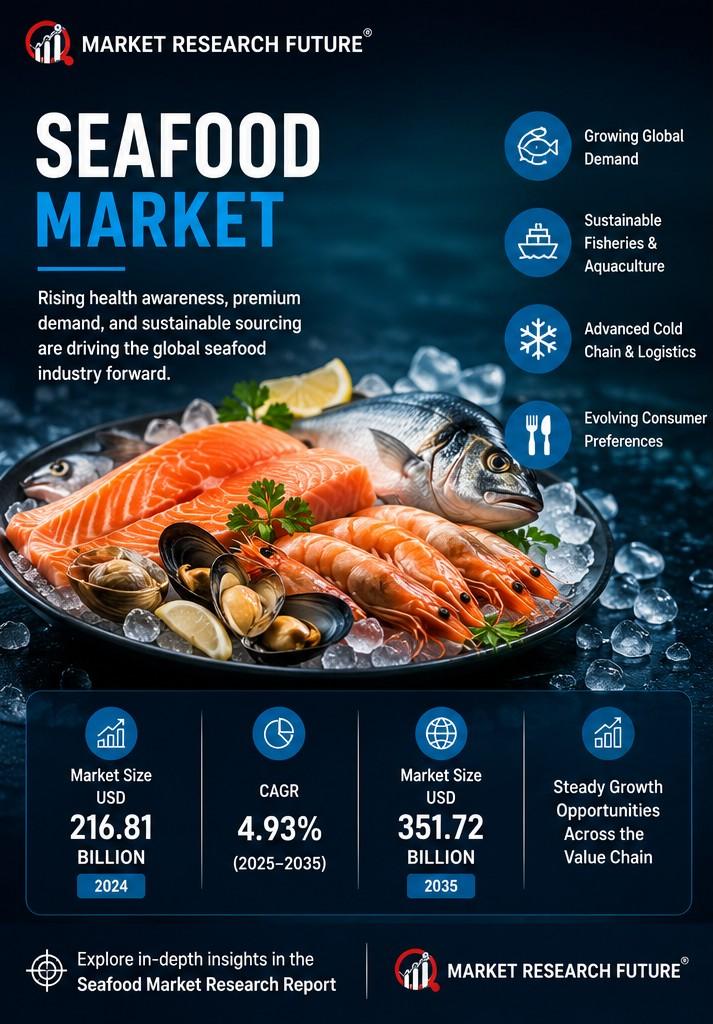
The global seafood market is characterized by a dynamic and competitive landscape, with a diverse mix of global seafood conglomerates, regional specialists, and emerging players vying for market share. The Seafood Market is shaped by the strategies of key players like Thai Union Group, Mowi ASA, Nomad Foods, and High Liner Foods, each employing distinct approaches to maintain and expand their market presence. Understanding these competitive dynamics is essential for stakeholders looking to navigate this complex and rapidly evolving industry, which is projected to reach approximately USD 243 billion by 2035 .
Thai Union Group PCL stands as one of the world's largest seafood companies, with a portfolio that includes iconic brands like Chicken of the Sea and John West. The company's strategy emphasizes vertical integration, brand strength, and global distribution networks . Thai Union has focused on innovation in product quality, sustainability, and packaging to maintain its competitive edge. The Seafood Market sees Thai Union as a leader in the tuna and processed seafood segments, with significant investments in sustainable sourcing and traceability initiatives. The company has committed to achieving 100% sustainable tuna sourcing and has been at the forefront of industry efforts to combat illegal, unreported, and unregulated fishing .
Mowi ASA, formerly known as Marine Harvest, is the world's largest producer of farmed salmon and a leading player in the aquaculture sector. The company's strategy focuses on vertical integration, from hatcheries and feed production to processing and distribution. Mowi's emphasis on sustainability and innovation in salmon farming has positioned it as a leader in the premium seafood segment. The Seafood Market is seeing Mowi's strategy paying dividends as consumer demand for responsibly farmed salmon continues to grow. The company has invested heavily in advanced aquaculture technologies, including recirculating systems and genetic improvements, to enhance productivity and environmental sustainability .
Nomad Foods Ltd and High Liner Foods represent significant players in the frozen and processed seafood segments. Nomad Foods, with brands like Birds Eye and Findus, has focused on product innovation and brand building in the European market. The Seafood Market has seen Nomad Foods expand its portfolio through acquisitions and strategic partnerships . High Liner Foods, a leading North American seafood processor, emphasizes operational efficiency, product quality, and strong customer relationships. The company's strategy focuses on value-added products and expanding its presence in the foodservice sector . Other notable players include Leroy Seafood Group, Cooke Aquaculture, and Maruha Nichiro Corporation, all of which are investing in sustainable practices, broader product portfolios, and enhanced logistics to keep pace with growing demand for high-quality seafood products .
FAQs:
Q1: Who are the leading players in the global seafood market?
Leading players include Thai Union Group PCL (Thailand), Mowi ASA (Norway), Nomad Foods Ltd (UK), High Liner Foods (Canada), Leroy Seafood Group (Norway), Cooke Aquaculture (Canada), and Maruha Nichiro Corporation (Japan). These companies compete through brand strength, product innovation, vertical integration, and sustainability initiatives.
Q2: What strategies are companies using to gain a competitive advantage in the seafood market?
Companies are employing strategies including vertical integration to control supply chains, investment in sustainable sourcing and certification programs, adoption of advanced aquaculture technologies, product innovation in value-added and convenient formats, geographic expansion into high-growth markets, and digital transformation for supply chain transparency and traceability.