English
 Arabic
 French
 Spanish
 Portuguese
 Deutsch
 Turkish
 Dutch
Dutch
 Italiano
 Russian
 Romaian
 Portuguese (Brazil)
 Greek
Greek
Iron Ore Pellet Market Research Report: Size, Share, Growth Factors, Trends & Forecast
Other |
2026-06-03 16:38:12
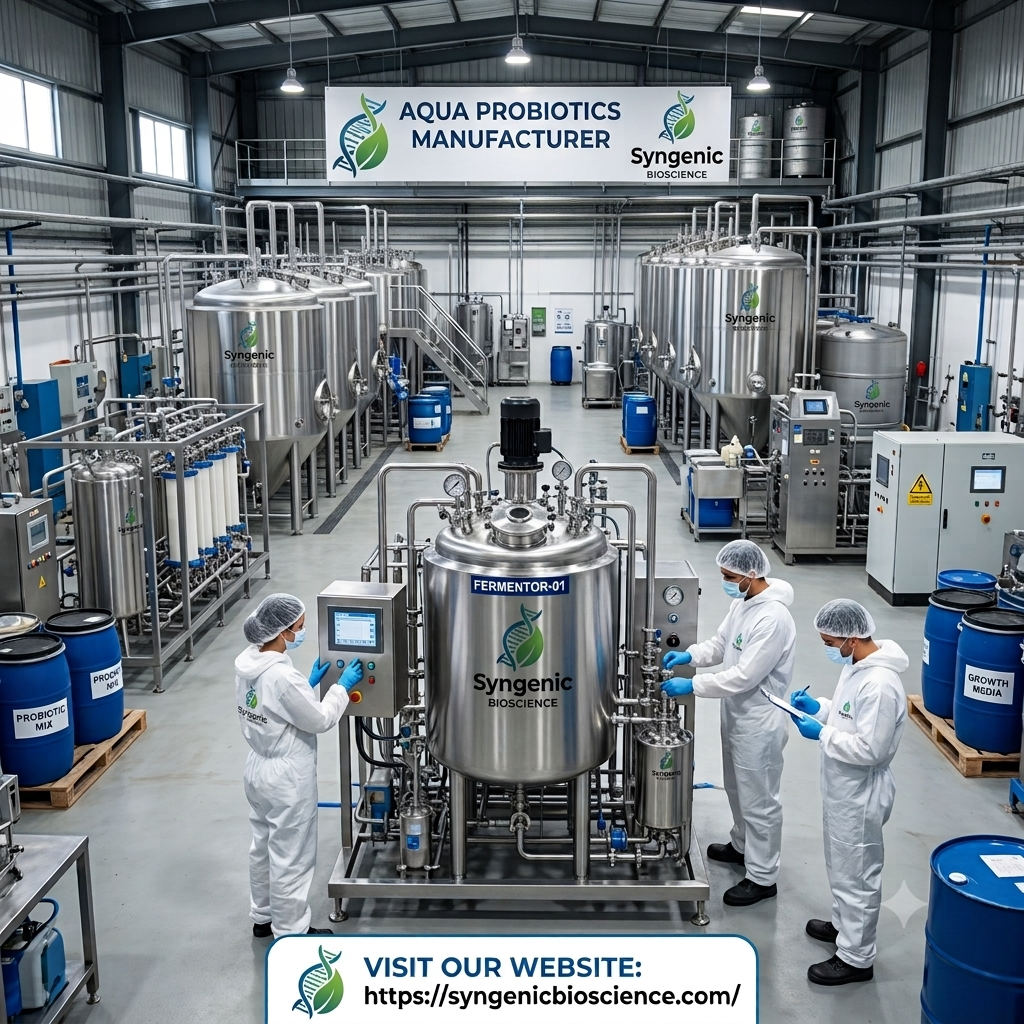
Aquaculture has become one of the fastest-growing food production industries in the world. As fish and shrimp farming continue to expand, farmers are under increasing pressure to maintain healthy stock, improve production efficiency, and reduce disease outbreaks. One of the biggest challenges in modern aquaculture is the spread of bacterial diseases caused by poor water quality, excessive organic waste, and environmental stress.
For many years, antibiotics were commonly used to control infections. However, overuse of antibiotics has raised concerns about antimicrobial resistance, environmental impact, and food safety. Today, successful aquaculture operations are shifting toward biological solutions that improve pond health naturally. One of the most effective solutions is the use of Aqua Probiotics.
Aqua Probiotics contain beneficial microorganisms that help maintain a balanced aquatic ecosystem. These beneficial bacteria improve water quality, support digestion, strengthen the immune system, and suppress harmful pathogens before they become a serious problem. Rather than treating diseases after they appear, probiotics focus on prevention, making them an important part of sustainable aquaculture.
Aqua Probiotics are specially formulated microbial products developed for fish and shrimp farming. They contain naturally occurring beneficial bacteria that survive in aquatic environments and help create a healthier biological balance.
These microorganisms perform several important functions inside ponds and tanks. They break down organic waste, reduce harmful ammonia, improve nutrient recycling, and compete with disease-causing bacteria. As a result, fish experience lower stress levels, improved feed utilization, and stronger natural immunity.
Healthy water is the foundation of successful aquaculture. Even high-quality feed cannot produce good results if pond conditions remain poor. By improving the microbial environment, Aqua Probiotics help create ideal conditions for consistent fish growth and better survival.
Disease outbreaks rarely happen because of a single factor. Most infections develop when multiple environmental conditions become unfavorable.
Some of the most common causes include:
When these conditions persist, harmful bacteria multiply rapidly and attack fish whose immune systems have already been weakened by stress.
Maintaining biological balance through regular probiotic application helps reduce these risks before serious infections begin.
Aeromonas bacteria are responsible for some of the most common freshwater fish diseases. Infected fish may develop skin ulcers, internal bleeding, swollen abdomen, reduced appetite, and slow growth.
Although proper diagnosis is essential, maintaining a healthy microbial ecosystem helps lower the population of harmful bacteria. Aqua Probiotics promote beneficial microorganisms that naturally compete with pathogens, making it more difficult for disease-causing bacteria to dominate the pond environment.
Fin Rot affects the fins and tail of fish, causing tissue damage and reduced swimming ability. Fish suffering from this disease often become weak and vulnerable to secondary infections.
Regular use of Aqua Probiotics helps improve overall pond hygiene and biological stability. Cleaner water reduces stress and supports natural healing processes, allowing fish to recover more effectively when combined with proper farm management.
Healthy gills are essential for oxygen absorption. When harmful bacteria infect the gills, fish struggle to breathe and become less active. Poor oxygen uptake reduces feed intake and slows overall growth.
Beneficial bacteria present in Aqua Probiotics help improve water quality by reducing the accumulation of organic matter and maintaining a healthier microbial balance. Better water conditions support healthy gill function and lower the chances of bacterial infections.
Vibrio species are particularly common in marine aquaculture and shrimp farming. These bacteria can cause skin lesions, tail erosion, poor feeding behavior, and significant production losses if not managed properly.
By improving pond ecology and reducing pathogen pressure, Aqua Probiotics support a healthier environment where harmful bacteria are less likely to multiply rapidly. Preventive management remains one of the most effective strategies for controlling Vibrio-related problems.
Healthy aquaculture always begins with a healthy aquatic environment, and beneficial microorganisms play a major role in maintaining that balance throughout the farming cycle.
White Gut Syndrome is one of the common challenges faced by shrimp farmers. Poor gut health affects digestion, nutrient absorption, and overall growth performance. Shrimp with unhealthy digestive systems often consume less feed, grow slowly, and become more susceptible to disease.
Aqua Probiotics help establish a healthy microbial population inside the digestive tract. Beneficial bacteria improve gut balance, enhance nutrient absorption, and reduce the presence of harmful microorganisms. Strong digestive health supports faster growth, better survival rates, and improved productivity throughout the culture period.
Columnaris Disease commonly affects freshwater fish and is caused by the bacterium Flavobacterium columnare. Symptoms include white patches on the body, damaged fins, breathing difficulty, and skin lesions.
This disease spreads more rapidly when fish are stressed due to poor water quality or overcrowding. Aqua Probiotics help create a healthier aquatic ecosystem by reducing organic waste and supporting beneficial bacterial activity. Cleaner water lowers stress levels and helps fish maintain stronger natural defenses.
Water quality directly influences fish health and farm profitability. Uneaten feed, fish waste, and decaying organic matter release harmful compounds such as ammonia and nitrite. If these compounds accumulate, fish become stressed and disease outbreaks become more likely.
Aqua Probiotics contain beneficial microorganisms that naturally break down organic waste before it becomes harmful. These bacteria continuously recycle organic material and help stabilize the pond environment.
Regular probiotic application provides several important benefits:
Maintaining good water quality not only improves fish health but also reduces the need for emergency corrective treatments.
Fish are constantly exposed to bacteria, parasites, and changing environmental conditions. A healthy immune system allows them to resist infections more effectively.
Aqua Probiotics support natural immunity by maintaining a balanced intestinal microbiome and reducing environmental stress. When beneficial bacteria dominate the pond, harmful microorganisms have fewer opportunities to multiply.
Healthier fish generally show:
Rather than acting as medicines, probiotics create favorable conditions that help fish remain healthy naturally.
Feed accounts for a significant portion of aquaculture production costs. Every improvement in feed utilization can have a direct impact on profitability.
Beneficial bacteria help improve digestion by supporting enzyme activity inside the digestive system. As digestion becomes more efficient, fish absorb nutrients more effectively, resulting in improved feed conversion.
Farmers often observe:
These improvements contribute to greater production efficiency while maintaining sustainable farming practices.
Modern aquaculture is moving toward environmentally responsible farming systems. Consumers increasingly expect seafood to be produced with minimal environmental impact and reduced dependence on antibiotics.
Aqua Probiotics support sustainable aquaculture by improving biological balance instead of relying solely on chemical treatments. Beneficial bacteria naturally recycle waste, improve pond ecology, and help maintain healthy aquatic environments.
By combining probiotics with proper nutrition, biosecurity, and regular water quality monitoring, fish farmers can create farming systems that are both productive and environmentally responsible.
To achieve the best results, Aqua Probiotics should be used as part of a complete pond management program rather than only after diseases appear. Preventive application helps maintain a stable microbial balance throughout the culture cycle.
Before applying probiotics, farmers should regularly monitor water quality parameters such as pH, dissolved oxygen, temperature, ammonia, and nitrite. Stable water conditions allow beneficial bacteria to establish themselves more effectively.
For better performance, consider these practices:
A well-managed pond creates an environment where fish can grow with less stress and greater resistance to disease.
Selecting a quality probiotic product is an important decision for every fish farmer. Reliable products are developed using carefully selected beneficial bacterial strains and are manufactured under strict quality standards.
When comparing products, look for:
Working with an experienced supplier helps ensure that the product delivers consistent results under different farming conditions.
Disease treatment often requires additional labor, increased production costs, and can affect fish growth. Preventive pond management reduces these risks before they become major problems.
Aqua Probiotics support preventive health management by improving water quality, reducing organic waste, promoting beneficial bacteria, and creating conditions that naturally discourage harmful pathogens.
Healthy ponds generally experience:
This preventive approach is one of the reasons probiotics have become an essential part of modern aquaculture.
Successful fish farming depends on maintaining a healthy balance between water quality, nutrition, biosecurity, and disease prevention. While no single product can eliminate every health challenge, Aqua Probiotics provide an effective biological solution that supports healthier ponds and stronger fish.
By improving the natural microbial ecosystem, probiotics help reduce the risk of common fish diseases, support digestive health, enhance feed utilization, and improve overall farm productivity. They also contribute to sustainable aquaculture practices by reducing dependence on chemical treatments and promoting a healthier aquatic environment.
As the aquaculture industry continues to grow, preventive health management will become even more important. Farmers who focus on maintaining healthy pond ecosystems are better positioned to achieve consistent production, healthier fish, and long-term success.
1. What are Aqua Probiotics used for?
Aqua Probiotics are used to improve water quality, support fish and shrimp gut health, enhance immunity, and promote a balanced aquatic ecosystem.
2. Can Aqua Probiotics help reduce fish diseases?
They help create healthier pond conditions that reduce disease pressure and support the fish's natural defenses when used as part of good farm management.
3. Are Aqua Probiotics suitable for shrimp farming?
Yes. They are widely used in shrimp farming to improve gut health, maintain water quality, and support better growth and survival.
4. How often should Aqua Probiotics be applied?
Application depends on the product and farming conditions. Always follow the manufacturer's recommended dosage and schedule.
5. Why are Aqua Probiotics important for sustainable aquaculture?
They improve pond ecology naturally, reduce organic waste, support beneficial bacteria, and help minimize dependence on antibiotics, making aquaculture more sustainable.
Every aquaculture system has unique environmental conditions, and disease management strategies may vary depending on the species being cultured. Aqua Probiotics are versatile biological solutions that can be incorporated into freshwater fish farming, shrimp culture, biofloc systems, recirculating aquaculture systems (RAS), and ornamental fish production.
Freshwater species such as tilapia, carp, catfish, and pangasius benefit from stable water conditions. Regular probiotic application helps reduce the accumulation of organic matter and supports beneficial microbial activity, creating an environment where fish can grow with less stress.
Shrimp farming requires careful management of pond ecology because shrimp are highly sensitive to sudden changes in water quality. Beneficial bacteria help maintain a balanced microbial population, supporting healthy digestion and improving pond hygiene throughout the production cycle.
Biofloc technology depends on beneficial microorganisms to recycle nutrients within the culture system. Aqua Probiotics complement this process by encouraging the growth of useful bacteria that help stabilize water quality and improve nutrient availability.
RAS facilities rely on biological filtration to maintain water quality. Beneficial microorganisms contribute to efficient waste breakdown and help maintain a healthier environment for cultured fish.
Modern aquaculture is increasingly focused on sustainability. Biological solutions help reduce the environmental impact of intensive farming by supporting natural nutrient recycling.
Some important environmental advantages include:
These benefits contribute to healthier production systems while supporting responsible aquaculture practices.
Even the best probiotic products may not perform as expected if basic pond management practices are ignored.
Common mistakes include:
Maintaining proper management practices alongside regular probiotic use helps achieve more consistent farming results.