English
 Arabic
 French
 Spanish
 Portuguese
 Deutsch
 Turkish
 Dutch
Dutch
 Italiano
 Russian
 Romaian
 Portuguese (Brazil)
 Greek
Greek
Why the Essentials Hoodie Has Taken Over UK Streetwear (And How to Style It Like a Pro)
Business & Finance |
2026-07-01 05:26:58
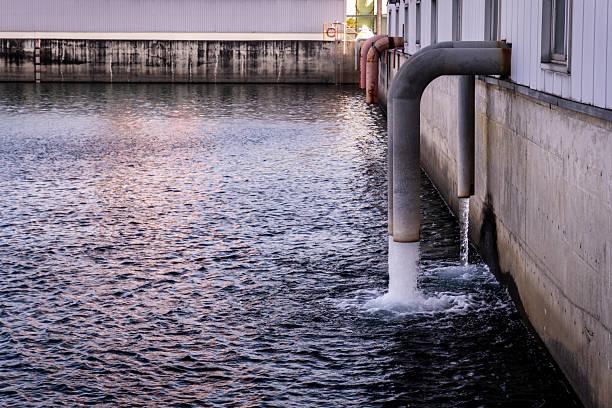
Zero liquid discharge systems are becoming more relevant in the UAE as water scarcity, industrial expansion, and stricter effluent controls reshape wastewater management. ZLD systems are designed to treat wastewater so that usable water is recovered while dissolved solids and residual waste are separated for handling or disposal. This makes the technology important for industries seeking to reduce freshwater dependency and limit off-site discharge.
According to MarkNtel Advisors, the UAE Zero Liquid Discharge System Market was valued at around USD 225.37 million in 2025 and is projected to reach USD 558.45 million by 2032, expanding at a CAGR of nearly 13.63% during 2026–2032. The advanced wastewater treatment demand reflects rising adoption across oil and gas, energy, chemical, petrochemical, food processing, and industrial wastewater applications.
The UAE’s arid climate and limited natural freshwater availability make water reuse a long-term infrastructure priority. The official UAE Water Security Strategy 2036 focuses on sustainable access to water, demand reduction, and reuse improvement. ZLD systems align with this direction because they help recover water from industrial effluent streams that would otherwise require discharge or disposal.
This is especially important in industrial clusters where wastewater can contain high salinity, chemicals, hydrocarbons, heavy metals, or process residues. Conventional treatment may be insufficient for such complex streams. ZLD systems combine physical, chemical, membrane, and thermal processes to recover water while concentrating residual solids, supporting both compliance and resource efficiency.
The oil and gas segment represented around 52% share in 2025, according to the MarkNtel study. This reflects the sector’s large wastewater volumes, including produced water, refinery effluent, cooling tower blowdown, and high-salinity discharge. In these settings, ZLD systems can support water recovery for reuse in operations while reducing the environmental burden linked with wastewater disposal.
Industrial water management also has broader economic relevance. The World Bank’s water resources work highlights water as a critical factor for public health, industry, agriculture, and climate resilience. For the UAE, efficient water use is closely connected with industrial continuity, utility planning, and long-term environmental governance.
Hybrid ZLD systems accounted for around 45% share by system configuration in 2025. These systems combine membrane-based treatment with evaporation or crystallization, helping manage high-recovery requirements and varying wastewater compositions. Their appeal lies in balancing efficiency, flexibility, and reliability, particularly for large industrial facilities dealing with complex effluent streams.
Membrane systems can recover significant water volumes, while thermal processes handle concentrated brine and dissolved solids. This layered approach is useful in the UAE because industrial wastewater often varies by sector, location, and operating process. Hybrid systems can therefore support better operational stability, especially where discharge limits are strict and water reuse expectations are rising.
Tighter discharge expectations are one of the strongest drivers for ZLD adoption. Industrial operators increasingly need treatment systems that can manage effluent quality, reduce pollution risk, and support safe reuse. UNEP’s water pollution work underlines the importance of preventing contamination and improving wastewater governance, which is directly relevant for industrial water planning.
In the UAE, regulatory direction at federal and emirate levels is pushing facilities toward better treatment, recycling, and monitoring practices. Brownfield retrofits and compliance upgrades are projected to grow at a CAGR of around 14.18% during 2026–2032, showing how existing plants are expected to invest in modernization rather than rely only on new infrastructure.
Smart monitoring and automation are becoming important trends in ZLD deployment. Sensors, SCADA systems, real-time analytics, and predictive maintenance tools help operators monitor flow, pressure, conductivity, scaling, fouling, energy use, and treatment performance. These capabilities are valuable because ZLD systems require consistent control to remain efficient and compliant.
Energy efficiency is particularly important because ZLD systems can be power-intensive. The International Energy Agency’s energy efficiency guidance emphasizes the role of efficient technologies in reducing operating costs and resource demand. For UAE industries, better pumps, optimized membranes, heat integration, and automation can help reduce lifecycle costs.
Despite strong demand, high capital and operating costs remain key challenges. ZLD systems require specialized equipment, skilled operation, pretreatment chemicals, membranes, evaporators, crystallizers, pumps, and disposal arrangements for residual solids. The ISO water quality standards catalogue provides a broader reference point for water quality, testing, and management frameworks that can support more consistent system performance.
Abu Dhabi and Al Ain held around 44% share in 2025, supported by industrial concentration and strict water-management requirements. Looking ahead, ZLD adoption in the UAE is likely to grow through a mix of compliance upgrades, oil and gas applications, industrial reuse, and smart infrastructure investment. The sector’s progress will depend on balancing water recovery, energy efficiency, operational reliability, and responsible waste handling.