English
 Arabic
 French
 Spanish
 Portuguese
 Deutsch
 Turkish
 Dutch
Dutch
 Italiano
 Russian
 Romaian
 Portuguese (Brazil)
 Greek
Greek
Discover 82 Lottery Game and Easy Login Registration Steps
Games |
2026-05-14 16:12:16
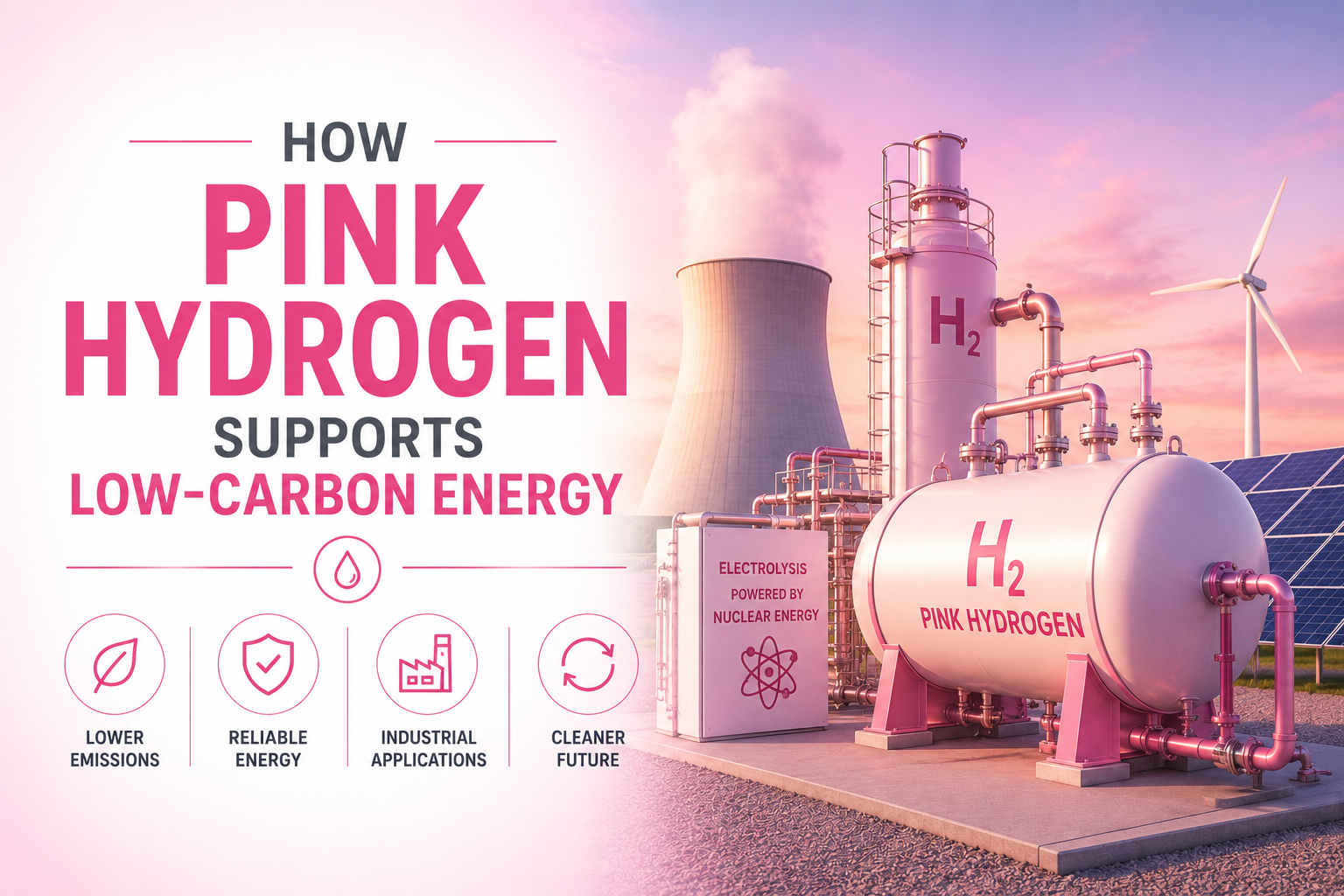
Pink hydrogen is gaining attention as countries and industries explore low-carbon hydrogen pathways beyond conventional fossil-based production. It is produced through electrolysis using electricity or heat from nuclear power. This makes it different from green hydrogen, which relies on renewable energy, and grey hydrogen, which is generally produced from fossil fuels without carbon capture. Pink hydrogen’s relevance is linked with clean electricity, industrial decarbonization, and reliable hydrogen production.
A recent pink hydrogen industry study by MarkNtel Advisors highlights strong demand from PEM electrolysis, refinery hydrogen applications, Europe’s leading role, and growing interest in nuclear-supported hydrogen production. The study values the sector at USD 0.091 billion in 2025 and projects it to reach USD 1.2 billion by 2032, reflecting a CAGR of around 46.38% during 2026–2032.
Pink hydrogen is closely linked with nuclear power because nuclear plants can provide steady electricity for electrolysis. Unlike solar and wind generation, which vary with weather and time of day, nuclear power can operate continuously. This can support stable hydrogen production where nuclear capacity, policy support, and electrolyser investment are available.
The World Nuclear Association’s hydrogen production and uses explains that hydrogen can be produced without carbon dioxide emissions when suitable low-carbon energy sources are used. This makes nuclear-supported hydrogen relevant for countries seeking cleaner production while maintaining reliable energy supply.
PEM electrolysis accounted for approximately 45% share in 2026, according to the shared study. Proton exchange membrane electrolysers are valued because they can produce high-purity hydrogen, respond quickly to power changes, and operate in compact system designs. These features make PEM systems useful for industrial, mobility, and energy applications.
In pink hydrogen production, PEM systems can use nuclear-generated electricity to split water into hydrogen and oxygen. However, wider deployment depends on electrolyser cost, water availability, plant integration, electricity pricing, safety systems, and long-term operating reliability.
Refinery hydrogen applications accounted for around 30% share in 2026, making them a leading use area in the report. Refineries use hydrogen for desulfurization, hydrocracking, and fuel-quality improvement. Since many refineries already require large hydrogen volumes, they represent a practical early demand base for lower-carbon hydrogen supply.
The International Energy Agency’s future of hydrogen analysis notes that hydrogen use is currently dominated by industrial applications, including oil refining, ammonia, methanol, and steel production. This context supports why refinery demand remains important for emerging hydrogen production pathways.
Europe accounted for approximately 60% share in 2026, according to the report. The region’s position is supported by hydrogen policy development, clean-energy targets, industrial decarbonization efforts, and debate around the role of nuclear power in low-carbon hydrogen production. Countries with nuclear capacity may explore pink hydrogen as part of wider energy transition planning.
The European Commission’s hydrogen strategy supports renewable and low-carbon hydrogen uptake to help decarbonize the EU energy system. This policy environment is relevant because pink hydrogen sits within broader discussions on low-carbon hydrogen classification, infrastructure, and industrial use.
Hydrogen is useful in industries where direct electrification is difficult. Steel, chemicals, refining, fertilizers, heavy transport, and selected high-temperature processes may need hydrogen or hydrogen-derived fuels to reduce fossil fuel dependence. Pink hydrogen can contribute where nuclear energy is available and where industrial users need steady hydrogen supply.
The International Energy Agency’s hydrogen overview tracks hydrogen production, demand, policy, infrastructure, and innovation. This wider hydrogen context matters because pink hydrogen will compete and coexist with green, blue, and other low-emission production pathways.
Beyond electricity-based electrolysis, nuclear reactors can also provide heat for advanced hydrogen production methods. High-temperature electrolysis and thermochemical processes are being studied because heat can improve production efficiency in selected systems. These options remain technically complex but could become relevant as advanced reactor technologies develop.
Commercial adoption will depend on safety standards, technology readiness, cost, regulatory approval, and integration with nuclear facilities. Since hydrogen is flammable and nuclear plants are highly regulated, system design and operational separation must be handled carefully.
Pink hydrogen faces several practical barriers. Electrolysers remain capital-intensive, nuclear power integration requires careful planning, and hydrogen transport and storage infrastructure is still developing in many regions. Without nearby industrial demand, producing hydrogen at scale can be difficult to justify commercially.
Infrastructure needs include pipelines, storage tanks, compression systems, safety equipment, refueling stations, port facilities, and industrial offtake agreements. These systems take time to develop and require coordination between energy producers, industrial users, regulators, and infrastructure companies.
The report notes that the top five players collectively hold around 60% share, indicating a moderately consolidated structure. Competition is shaped by nuclear expertise, electrolyser technology, hydrogen project development, engineering capability, policy alignment, financing strength, and access to industrial customers.
Companies working in pink hydrogen need expertise across both energy and chemical systems. They must understand electricity supply, water electrolysis, hydrogen safety, industrial demand, and regulatory requirements. This creates high technical barriers compared with simpler energy projects.
Pink hydrogen demand is being shaped by PEM electrolysis, refinery applications, Europe’s strong position, nuclear energy availability, industrial decarbonization, and low-carbon hydrogen policy development. The report figures indicate rapid growth through 2032 as countries and companies test more diverse hydrogen production routes.
The long-term direction will depend on nuclear policy, electrolyser costs, infrastructure development, safety standards, industrial offtake, and competition from green and blue hydrogen. As the hydrogen economy develops, pink hydrogen may become a useful option where nuclear power can provide stable, low-carbon energy for reliable production.