English
 Arabic
 French
 Spanish
 Portuguese
 Deutsch
 Turkish
 Dutch
Dutch
 Italiano
 Russian
 Romaian
 Portuguese (Brazil)
 Greek
Greek
Rising Demand for Convertible and Booster Seats Supporting Child Safety Seat Market Growth
Other |
2026-06-16 14:19:58
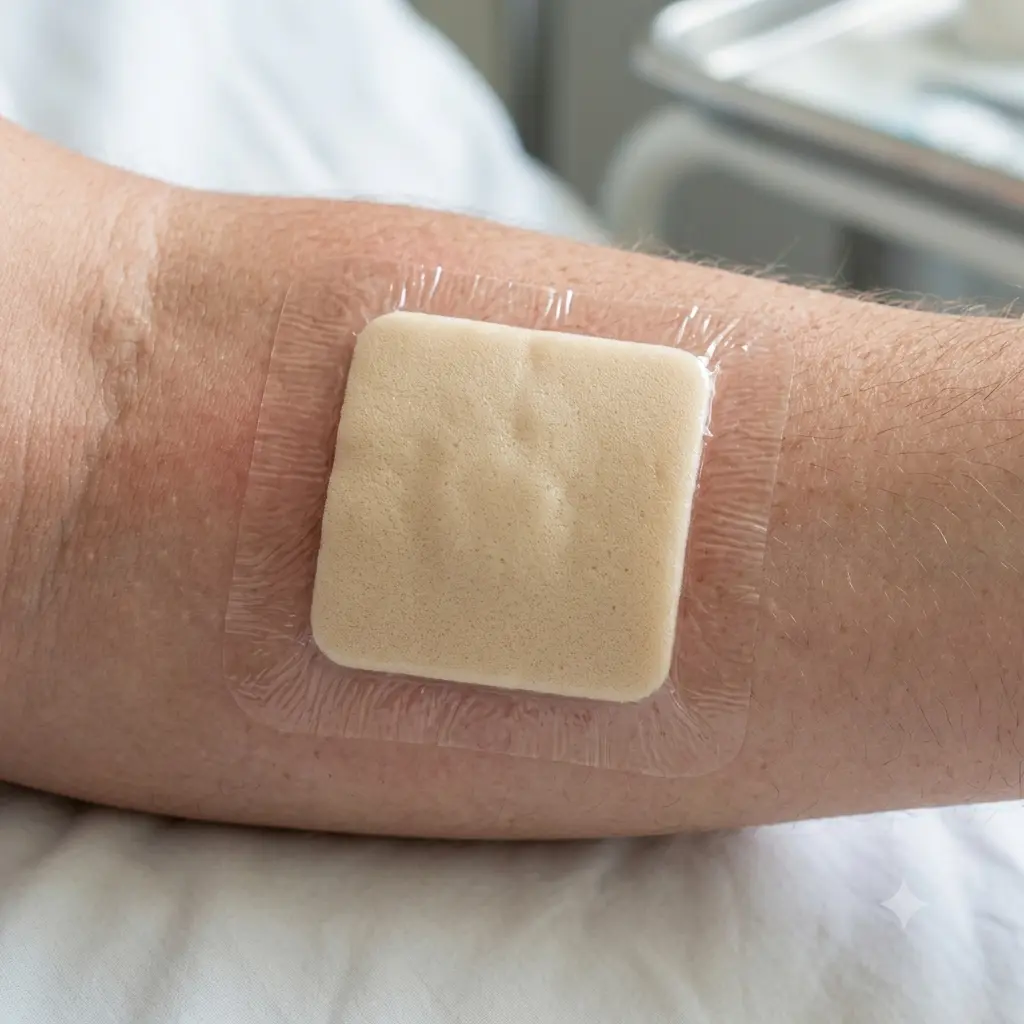
Foam wound dressing is one of the most widely used advanced wound care products for treating wounds with moderate to heavy exudate. Designed to maintain a moist healing environment while effectively absorbing excess fluid, these dressings help protect damaged tissue, reduce discomfort, and promote faster recovery. Whether used in hospitals, clinics, long-term care facilities, or home healthcare, foam wound dressing products play a vital role in managing both acute and chronic wounds.
Understanding the features, benefits, and proper application of foam dressings can help patients and healthcare providers make informed wound care decisions.
A foam wound dressing is a sterile absorbent dressing made from polyurethane or silicone foam. It is engineered to manage wound drainage while protecting the wound from external contaminants and maintaining the moisture necessary for healthy tissue regeneration.
Unlike traditional gauze, foam dressings offer superior cushioning, making them especially beneficial for wounds exposed to pressure, friction, or movement.
These dressings are available in multiple configurations, including:
Adhesive foam dressings
Non-adhesive foam dressings
Silicone-bordered foam dressings
Silver antimicrobial foam dressings
Heel and sacral foam dressings
Each option is designed for specific wound types and anatomical locations.
Modern wound care emphasizes maintaining the right moisture balance because overly dry or overly wet wounds may heal more slowly.
A properly moist wound environment can:
Encourage new tissue formation
Support faster cell regeneration
Improve oxygen exchange
Reduce tissue damage
Enhance patient comfort
Minimize scarring
A foam wound dressing helps achieve this balance by absorbing excess exudate without drying out the wound bed.
The multilayer construction of a foam wound dressing provides several healing benefits at the same time.
It works by:
Absorbing moderate to heavy wound drainage
Locking fluid away from the wound surface
Maintaining an optimal moist healing environment
Protecting surrounding skin from maceration
Reducing friction and pressure
Acting as a protective barrier against external contaminants
These combined functions help support efficient wound healing while improving patient comfort.
Foam dressings are designed to handle wounds with significant drainage, reducing leakage and protecting nearby healthy skin.
Maintaining moisture encourages natural tissue repair and supports the body's healing process.
The soft foam material reduces pressure and friction, making it ideal for wounds located over bony areas or joints.
Depending on the wound condition, foam dressings often remain effective for several days, reducing the frequency of dressing changes.
Many silicone foam dressings lift away easily without damaging newly formed tissue or causing unnecessary pain.
Foam dressings help shield wounds from dust, bacteria, and everyday environmental exposure.
Healthcare professionals frequently recommend foam wound dressing for managing:
Pressure ulcers
Diabetic foot ulcers
Venous leg ulcers
Surgical incisions
Skin tears
Traumatic wounds
Partial-thickness burns
Donor sites
Post-operative wounds
The selection of dressing depends on wound size, drainage level, tissue condition, and treatment goals.
These include an adhesive border that securely holds the dressing in place without requiring additional tape.
Ideal for patients with fragile skin or wounds requiring secondary fixation.
Designed for gentle adhesion, these dressings reduce pain and tissue trauma during removal.
Some foam dressings contain antimicrobial agents, such as silver, to support wound care when bacterial management is clinically appropriate.
Specialized shapes provide improved coverage for areas including the sacrum, heel, elbow, and knee.
Proper application improves wound protection and healing.
Follow these general steps:
Wash your hands thoroughly.
Clean the wound using an approved wound cleanser.
Dry the surrounding skin carefully.
Select a dressing that extends beyond the wound edges.
Place the dressing gently over the wound.
Secure non-adhesive dressings using appropriate fixation if necessary.
Replace the dressing according to clinical guidance or manufacturer recommendations.
Always inspect the wound during each dressing change.
| Feature | Foam Wound Dressing | Traditional Gauze |
|---|---|---|
| Fluid absorption | Excellent | Moderate |
| Moisture management | Excellent | Limited |
| Cushioning | Excellent | Minimal |
| Wear duration | Longer | Shorter |
| Comfort | High | Moderate |
| Trauma during removal | Minimal | Higher |
Foam dressings provide superior moisture control and patient comfort compared to standard gauze for wounds with moderate to heavy exudate.
For optimal healing:
Monitor wound drainage regularly.
Replace dressings before they become fully saturated.
Keep the surrounding skin clean and dry.
Use the correct dressing size.
Follow your healthcare provider's wound care instructions.
Watch for signs of infection, including increased redness, swelling, warmth, or unusual drainage.
Routine wound assessment helps ensure successful healing and early identification of complications.
Many foam dressings can remain in place for several days, depending on wound drainage, product specifications, and clinical recommendations.
Yes. Foam dressings are commonly used after surgery to absorb drainage, protect the incision, and support healing.
Yes. Foam dressings are frequently recommended for diabetic foot ulcers that produce moderate to heavy exudate as part of a comprehensive wound care plan.
Many products feature a water-resistant outer layer, although performance varies by manufacturer.
Yes. Their soft cushioning minimizes pressure and friction, helping improve patient comfort throughout the healing process.
Foam wound dressing is a trusted solution for advanced wound management because it combines excellent absorbency, moisture control, cushioning, and wound protection in a single dressing. Whether managing diabetic ulcers, pressure injuries, burns, surgical incisions, or traumatic wounds, foam dressings help create an environment that supports efficient healing while improving patient comfort. When selected appropriately and used according to healthcare guidance, foam wound dressing can contribute to better wound healing outcomes, fewer dressing changes, and enhanced quality of care.