English
 Arabic
 French
 Spanish
 Portuguese
 Deutsch
 Turkish
 Dutch
Dutch
 Italiano
 Russian
 Romaian
 Portuguese (Brazil)
 Greek
Greek
Lash Bars Reimagined Blinq I-Lash 0.03% Beauty Revolution!
Health |
2026-05-26 12:34:56
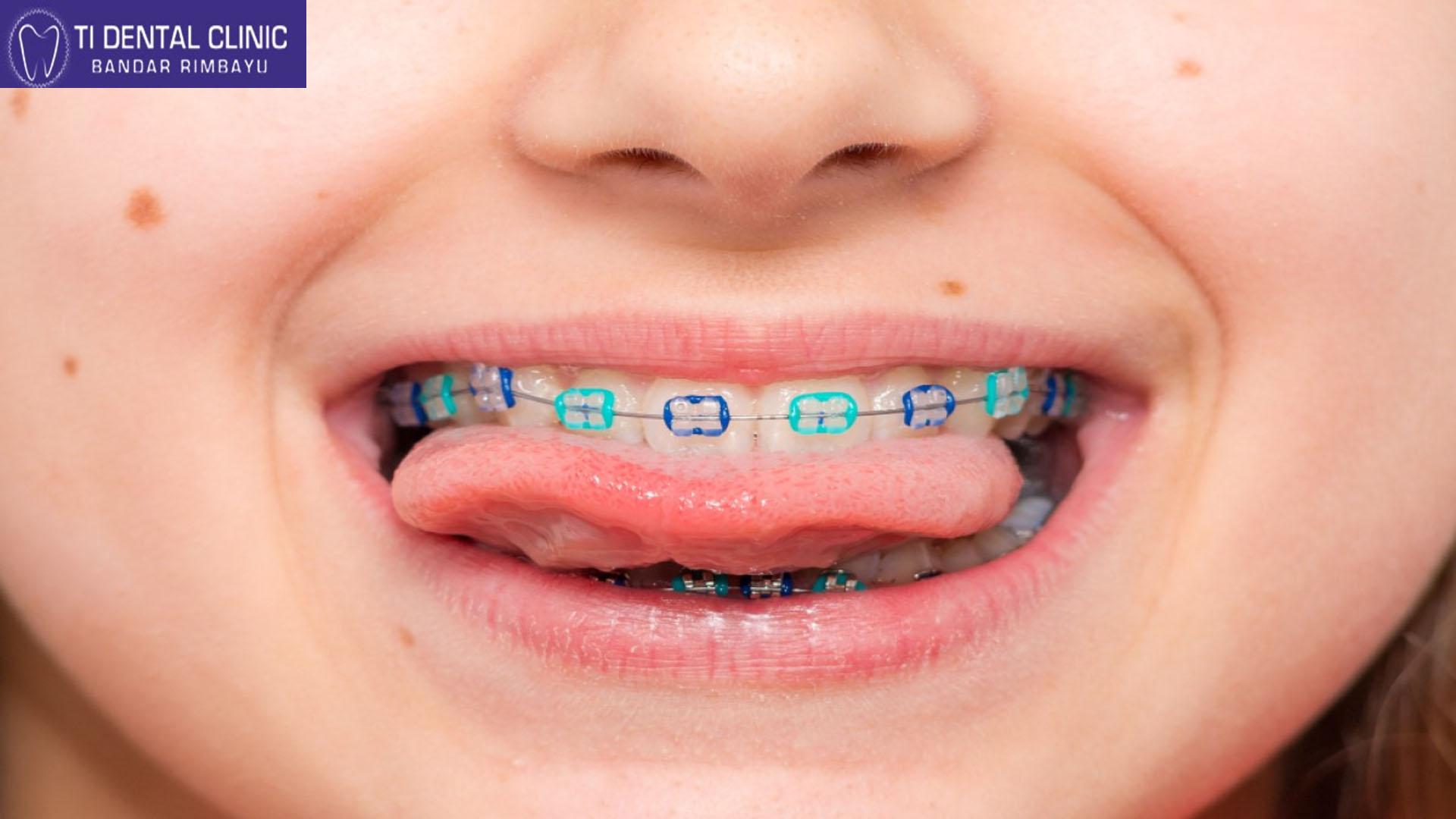
Dental implants boast an incredible success rate of roughly 95% to 98%. However, because it is a surgical procedure involving living tissue, complications can occasionally happen. Recognizing the warning signs early and knowing how to prevent them can mean the difference between a minor dental visit and a total implant teeth price in malaysia failure.
The single most common threat to a healed dental implant is an inflammatory condition known as peri-implantitis.
Just like natural teeth can develop gingivitis and periodontitis, dental implants can suffer from their own version of gum disease. Peri-implantitis is an infectious disease that causes chronic inflammation in the soft tissues and bone immediately surrounding a dental implant.
It typically progresses in two distinct stages:
Peri-implant Mucositis: This is the early, reversible stage. The inflammation is completely confined to the soft gum tissue. Your gums might look red, swollen, and bleed when you brush or floss, but the underlying bone remains completely healthy.
Peri-implantitis: If left untreated, the bacterial infection spreads deeper below the gumline. The chronic inflammation begins destroying the living jawbone anchored to the implant post. As the bone recedes, the implant loses its grip, begins to wiggle, and can eventually fall out entirely.
While bacterial infections are the leading cause of issues, a few other mechanical or structural complications can occur:
Failed Osseointegration (Early Failure): This happens within the first few weeks or months after surgery if the bone fails to fuse properly around the titanium post. It is usually caused by micro-movements of the implant, insufficient bone density, poor circulation, or systemic health factors like smoking.
Mechanical Overload (Late Failure): If an implant is subjected to excessive force—often from severe nighttime teeth grinding (bruxism) or a misaligned bite—the porcelain crown can chip, the abutment screw can loosen, or the implant post itself can fracture.
Nerve Damage: Though rare with modern 3D imaging, if an implant is placed too close to a nerve canal, it can cause temporary or permanent numbness, tingling, or pain in your lips, chin, or tongue.
If you notice any of the following symptoms around an existing dental implant, you should schedule an emergency appointment with your dentist immediately:
Bleeding or pus draining from the gumline around the implant
A dull, persistent ache or throbbing pain in the area
Visible redness, significant swelling, or gums pulling away from the crown
Any feeling of looseness or movement when you chew or touch the tooth
Catching peri-implantitis early makes it highly treatable. For early-stage mucositis, a thorough professional deep cleaning, accompanied by an antibacterial mouthwash, is often enough to reverse the condition. For advanced peri-implantitis, surgical intervention may be required to open the gum tissue, thoroughly decontaminate the titanium surface using specialized lasers, and place a new bone graft to replace what was lost.
The absolute best way to manage complications is to prevent them entirely. Maintain an immaculate home hygiene routine by brushing twice a day with a soft-bristled brush, utilizing specialized dental implants cost, and using an oral irrigator (water flosser) to flush out hidden bacteria. If you grind your teeth at night, always wear a custom mouthguard to protect your investment from damaging physical forces.